

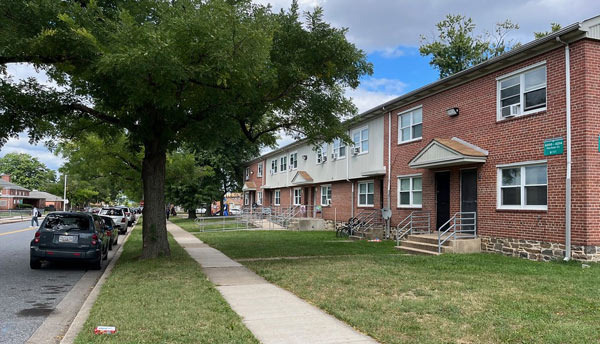
Whenever I mention that I live in Brooklyn, my friends always ask.
"How's Brooklyn these days? Is it livable?"
Brooklyn. Once an alternative to Manhattan.
A place where artists, hipsters, and startup workers gathered.
When you hear names like Williamsburg or Dumbo, don't you think of a cool image?
But now.... the Brooklyn dream only exists on social media. The reality is different.
One-bedroom apartments rent for $3,000. This is the average in popular areas of Brooklyn.If you're a worker earning $6,000 after taxes, you're spending half your income on rent. The basic rule of financial planning in the U.S. is that "housing costs should be within 30% of income," but to follow this rule in Brooklyn, you'd need a salary of at least $120K.
Is it cheaper than Manhattan? That was true in the early 2010s.
Gentrification has progressed so quickly that now the "price gap" has nearly disappeared. Data shows that rents in popular areas of Brooklyn have increased by 60-80% over the past decade. This figure far exceeds inflation.
What do you get for paying such high rent? A small space, haha.Many old buildings mean low ceilings, small windows, and cramped rooms.
Food, transportation, and dining out are all expensive. New York is an expensive city, and Brooklyn is no exception.
Even shopping at the grocery store feels different compared to Texas or Florida. For Korean Americans who frequently shop at Korean markets, it's the same. Overall prices are high, so maintaining the same standard of living costs significantly more than in other states.
Safety concerns are not exaggerated.It's an exaggeration to say that all of Brooklyn is dangerous. However, the increase in crime in certain areas is confirmed by statistics. According to the New York City Police Department (NYPD) data, certain types of crime have steadily increased since the pandemic.
Especially concerning are crimes related to the subway. While one might brush it off by saying, "New York subways are just like that," for Korean Americans who have experienced a rise in crimes targeting Asians, this is a real concern.
This is a problem. It's incorrect to dismiss it emotionally by saying, "New York is just like that," or to exaggerate by saying, "Brooklyn is a crime-ridden area." However, if I were to raise my family in a neighborhood, I would need to look at safety data objectively and make a judgment.
Still, living here offers cultural diversity, career opportunities, and networking. In the job market, New York remains one of the top markets.If you want to build a career in fintech, media, or advertising, New York is indeed advantageous. And gaining "New York experience" in your 20s is valuable.
However, whether this is a reason for long-term residency is a different story. As you enter your late 30s and 40s, when you need to buy a house, raise children, and start planning for retirement, the only people who can realistically do that in New York are high-salaried professionals or those who got into real estate early.
So my thought is to enjoy the Brooklyn dream while you're here. But make your decision about actual residency based on the numbers.People moving to Texas, Florida, and Arizona aren't doing so for no reason. Lower taxes, reasonable home prices, more space, and improved quality of life. This is not a political issue; it's purely an economic calculation.
It's true that New York is one of the greatest cities in the world. But the best city is not necessarily the best place to live.
Let's not confuse the two. Brooklyn is a beautiful backdrop.
But when deciding whether to invest my money in a neighborhood, I need to look at the calculator and spreadsheet, not just emotions.



 ollege Mom |
 Helpful Life Stories |
 prixon74 |
 Balancework |
 Make My Day |
 lightyear |
 newyorker 101 |
 Starbucks Reserve Roastery Closure |
 Franco Family |
  Hot Seat Driver |
  bryvexi |
  koala organic farm |
  riverstone |
  My Antonio |
  California Information News |
  chilli chilli |
  Moon Su San |
  vanilla |
  norvexi |
  Lunch and Dinner Mexican Taco |
  skykong |
  My Circle |
  novapixel |
  urban legend |
  coolriver |
  Good Neighborhood, Wealthy District Information |
  Ro Ro Car |
  Amber H |
  new sugar |