

I am a 43-year-old Korean housewife who settled in the Seattle area in 2017 due to my husband's overseas assignment.
I have been living in Tacoma, Washington for 6 years now.
At first, I naturally looked into downtown Seattle, Bellevue, and Kirkland.
However, after actually living here, I realized that the "density and atmosphere of life" is different from the physical distance.
Seattle and Tacoma are an hour apart, but they feel like completely different spaces.
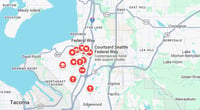
Tacoma is about 35 to 50 minutes south of Seattle. Although it looks close on the map, due to traffic congestion and differences in lifestyle, it can feel like there is a distance greater than that of Seoul and Suwon.
However, the relaxed and natural atmosphere of Tacoma was just right for our family, who were exhausted from the busy and impatient life of Gangnam.
Housing prices are much more realistic than in Seattle, and with the waterfront promenade (Ruston Way), parks with plenty of greenery, and quiet grocery stores, it is a perfect "breath of fresh air" city for raising a child. While the cultural diversity, large performances, and variety of restaurants are narrower than in Seattle, on the other hand, the stress and intensity of life are definitely less.
My husband and I are applying for permanent residency and expect to receive it soon, and our son is currently attending a public elementary school in Tacoma.
The public school education in the U.S. may seem incredibly relaxed from the perspective of Gangnam parents. Advance learning? Private tutoring? Almost none.
However, seeing my child confidently speaking, learning to cooperate with friends, and not being overly stressed about learning made me realize that "the Korean way is not the only answer."
Of course, we are supplementing the lacking areas with online math tutoring and Korean language learning. We are also considering reputable private schools for college after high school.
The Power of Local Community Experienced During the Pandemic
During the COVID-19 pandemic in 2020, this quiet city of Tacoma also came to a halt for a while.
The kids' school switched to online learning, and my husband transitioned to working from home.
At first, it was frustrating to stay at home every day, but it was also a time when our family bonds deepened.
During that time, the Tacoma community was quite warm.
Neighborhood residents shared necessary items with each other, and there were many moments when we could feel the warmth of a "people-living neighborhood" through free lunch deliveries to families in need.
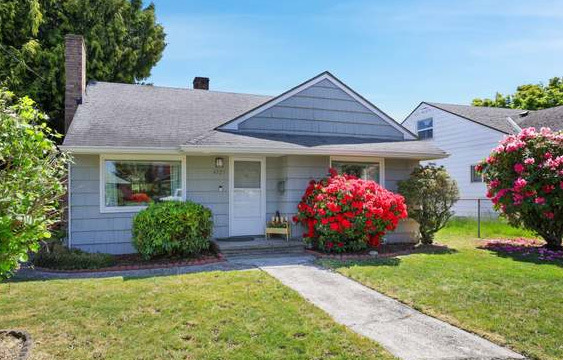
We had already planned to settle in the U.S. in 2017, so we purchased a 3-bedroom house in the Fircrest area south of Tacoma for about $380,000. During the pandemic, home prices rose rapidly, and at one point, it was valued at over $550,000 according to Zillow.
In 2023, there has been some adjustment with the rise in interest rates, but it still offers great value compared to Seattle, and rental demand remains stable. The Korean community is currently paying attention to areas like University Place, North Tacoma, and Gig Harbor. These are places that have both good school districts and natural environments.
Life in Tacoma is quite nice when you want a family-centered daily life away from the busy city.
There are no worries about grocery store parking, and going to the forest or beach every weekend is a part of life.
However, sometimes I miss the fun of picking the perfect clothes at a department store in Korea, or the world where I could have bossam and chicken delivered in 10 minutes through Baedal Minjok.
Still, here, the blue sky visible beyond the curtains every morning, the joy of watching my son playing in the backyard, and the gentle silence flowing from the living room before bed are
comforting to me.
Tacoma is not far from Seattle, but the atmosphere is definitely different. It is a place I can recommend to those who want to escape the busy and crowded city and "breathe a little."">
I hope this article serves as a small piece of information for those considering immigration or relocation within the U.S.




 moo moo |
 ultron78 |
 garlic bread |
 Sugar Cream Door Bulletproof Noodles |
 urbanmint |
 Bacon King Blog |
 Bald Eagle Brothers |
 Seattle - Emerald City |
 PETRO Vatican Shrine |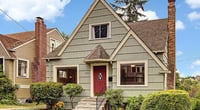
 Real Estate Agent USA |
  laro90 |
  MEDBIO American Doctor Blog |
  SWAT TEAM BLK |
  DREAM BIG |
  frostbite |
  330 Forever My Love |
  El Dorado |
  dralix58 |
  Gorama Round |
  Skydiving |
  dreamport |
  Yellow Snowman |
  Toaster Pizza Magic Show |
  velvetnom |
  Anytime Journey |
  Mrs. Duluth |
  jaxter |
  Atlanta Mama |
  Baguette Blog |
  Tan Sol |