

But it turns out, wait? He intends to serve the full 25 years. So what's the point of clemency?
He applied for clemency even though he won't be getting out of prison early. SBF wouldn't have made a bad deal. So what is he aiming for?
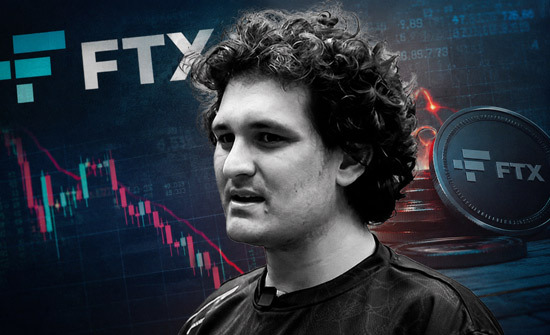
When I first saw the news that Sam Bankman-Fried (SBF) submitted a clemency application to the U.S. Department of Justice, I initially brushed it off.
It's common for a con artist in prison to apply for clemency.
But I was taken aback when I saw the details of the application.
He applied for a "pardon after completion of sentence."
In other words, he wants to have his criminal record erased after serving the full 25 years. It doesn't mean he'll be released early or have his sentence reduced.
As everyone knows, this guy is a brilliant genius with an impressive educational background. He is definitely not a fool.
So we need to change the question. Instead of asking, "Why did he make such a foolish clemency application?" we should ask, "How does this benefit him?"
Not a sentence reduction, but "erasing the stigma"In the U.S., the label of a felon doesn't just go away when you're released. It's a lifelong background check. Restrictions on voting rights, disqualification from jury duty, limitations on financial transactions and obtaining licenses, barriers to reemployment and housing—all of these follow you. Once the felon tag is attached, it filters you out in many areas of the system.
SBF is not aiming for early release; he's aiming for his life after release. If clemency is granted, his stripped citizenship would be restored, and he would have a legal path to restart his business.
However, the conviction itself wouldn't be erased ("Such a pardon would not erase Bankman-Fried's conviction"). The record remains, but the shackles are removed. That's exactly the picture he wants.
Timing says it allA person who just started serving a 25-year sentence in 2024 is already applying for clemency?
This isn't a legal strategy; it's a political bet.
SBF was originally a major donor to the Democratic Party. But from prison, he started posting on social media in support of the Trump administration.
This is a move aimed precisely at the precedent of President Trump broadly exercising clemency for participants in the Capitol riot, his associates, dark web operators, and figures in the cryptocurrency industry during his second term.
If he asks to be released immediately, Trump can't do it due to public pressure. Knowing that, he took a step back. "I will accept my punishment, just let me live like a human after my release."
This is a strategy targeting a niche market wrapped in a humble package.
But Trump has drawn the line
Here, the flaw in this clever calculation is revealed. President Trump responded negatively earlier this year when asked about the possibility of clemency for SBF, and the White House has not made any statement regarding this application.
No matter how sophisticated the bet is, it's over if the opponent doesn't call.
Currently, there are over 20,000 clemency and commutation requests piled up at the Department of Justice. There's no political reason to place a multi-billion dollar fraudster at the front of that line, at least not right now.
The real point of this news isn't the clemency application itself.It's the double standard in American society regarding white-collar crime. If you rob a convenience store, you're just a violent criminal.
If you commit a multi-billion dollar financial fraud, it's labeled as "the fall of a genius entrepreneur."
Same crime, different packaging. I believe in market economy and meritocracy, but if that merit is used to embezzle others' deposits, that's not merit; it's theft.
Whether SBF starts a business again with a clean name in 25 years or not, the money of the customers that vanished in 2022 will not come back.
His calculation in applying for clemency without any sentence reduction is clever. I acknowledge that.
But trying to smartly escape responsibility is not the same as paying the price for your actions.
At least that's how the American courts see it, and that's how I see it too.
 WindLunch
 SkyVision
 RubyShineFox






 novapixel |
 Victory 1988 |
 washington mom |

 El Dorado |
 Weekend Movie Blog |
 Superman Cat Blog |
 Beauty, Health, Lifestyle Blog |
 prixon74 |
  Giant Squid and Sweet Potato Soup |
  Valley Hong |
  The Gelaton |
  Twist Kim |
  berlon93 |
  Physical Laws and Science |
  good thinking |
  Solo Yolo |
  Mr Oh |
  laro90 |
  San Diego TOP Idol |
  Round and Round Children's Song Kingdom |
  American Golf Course Travelogue |
  MEDBIO American Doctor Blog |
  Hot Seat Driver |
  bryvexi |
  koala organic farm |
  riverstone |
  My Antonio |
  California Information News |