

 ]
]
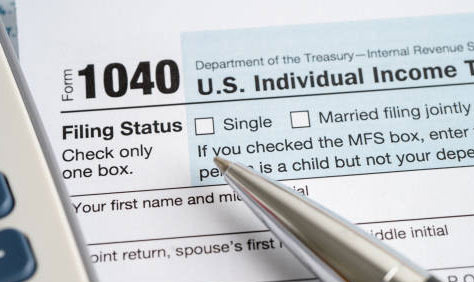
In the United States, if your personal income is below the standard deduction amount, you are not legally required to file taxes, but there are many important reasons to do so. Especially during the pandemic, many people automatically received federal government support through tax filing, and those who did not file missed out on these opportunities.
There are several good reasons to file taxes even if your personal income is below the standard deduction:
Government Aid and Tax Credit Opportunities
If you do not file taxes, you may miss out on various government aid or tax credits (e.g., Earned Income Tax Credit, Child Tax Credit, etc.). During the pandemic, those who filed taxes automatically received government support, while those who did not file faced delays or missed out on aid altogether.
Social Security Benefits
By filing taxes, you record your contributions to Social Security (e.g., pensions), which can be beneficial when you later receive Social Security benefits. This record can particularly impact self-employed individuals regarding future pension eligibility.
Tax Refund Possibility
Even if you have little or no income at the end of the year, if taxes have already been withheld, you may be eligible for a tax refund. For example, if you have worked at a job or freelanced and already paid taxes, you can reclaim that amount through tax filing.
Legal Requirements
In the U.S., there are cases where tax filing is legally required even if you do not earn above a certain income threshold. Failing to file taxes can result in fines or penalties later on.
Statute of Limitations on Audits
Even if you have filed taxes in the past, audits generally occur within three years. If you do not file taxes, the IRS can audit you at any time, so maintaining a record of past tax filings reduces unnecessary risks.
Building Credit History
Consistent tax filing allows the government to keep a record of your filings, which can serve as an important indicator of your financial status.
Necessary for Loans and Financing
When applying for loans or financing, tax filing records are often required as important documentation. Tax filing provides official proof of income, making it likely that banks or lenders will request your tax filing history. Not filing taxes can complicate the preparation of necessary documents.
Therefore, even if tax filing is not legally mandatory, voluntarily filing is advantageous in many ways and helps prevent future financial issues. Experts emphasize these points to ensure that long-term benefits are not missed.
Thus, tax filing is not just a matter of obligation; it is an important procedure that can aid in personal financial health and future planning.







 Make My Day |
 viroma |
 eatontown blog |
 Toaster Pizza Magic Show |
 US Embassy |
 Weekend Movie Blog |
 Beauty, Health, Lifestyle Blog |
 coloradoman |
 Superman Cat Blog |
 Noodle Noodle |
  Burbank Lee |
  Olivia's Blog |
  Bushing Around Life |
  Active |
  Cherokee Rose |
  Kor. Master |
  Holey Moley |
  Conflite Teacher |
  Hodong Prince Over Flex |
  Mist inn |
  citrus pop |
  Onion Ring |
  phoenixia |
  viewtop |
  loverun |
  Kim Do Sun |
  SEVEN SEVEN |
  yentra |
  Victory 1988 |