

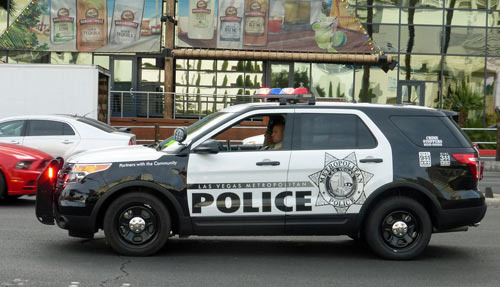
Las Vegas is famous for being one of the cities in the U.S. with the most relaxed regulations regarding drinking.
According to Nevada state law, in certain areas such as the Las Vegas Strip and Downtown Fremont Street, drinking in public outdoor spaces is legal. This means that it is allowed to walk down the street while sipping a cocktail from a plastic cup.
However, glass bottles or cans are prohibited in public, and drinks must be served in open plastic cups. For this reason, Las Vegas casino hotels often provide takeout plastic cups.
The drinking regulations within casinos are also one of Las Vegas's unique characteristics. Almost all casinos in Las Vegas offer free drinks to guests who are gambling. If you are playing slot machines or table games, cocktail servers will circulate and serve drinks, including alcoholic beverages, for free.
This is also a marketing strategy to encourage guests to enjoy games for longer periods. It is customary to tip around $1. However, the wait time for free drinks can be long, and drink service is not always immediate.
The legal drinking age is the same as across the U.S., which is 21 years or older. To purchase or consume alcohol in casinos, bars, liquor stores, or restaurants, a valid ID (driver's license, passport, state-issued ID card, etc.) must be presented to verify age. If you appear to be under 30, you may be asked for ID more rigorously. Selling or providing alcohol to minors can result in legal penalties for both the seller and the establishment.
It is also good to be aware of alcohol sales hours. Nevada has no restrictions on alcohol sales hours, allowing for 24-hour alcohol sales.
This aligns with Las Vegas's 24-hour casino culture. You can also purchase alcohol 24/7 at convenience stores, markets, and gas stations. However, some establishments may impose their own restrictions on sales hours.
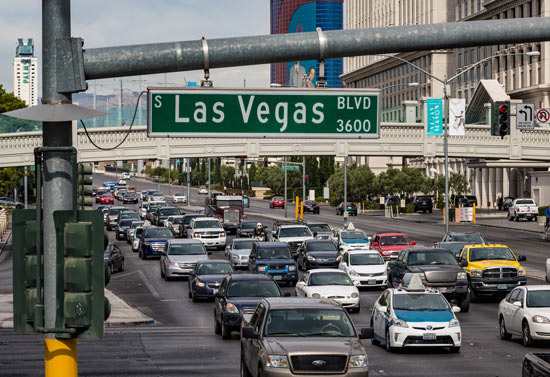
Penalties for DUI (Driving Under the Influence) in Nevada are very strict.
The Blood Alcohol Concentration (BAC) limit for regular drivers is 0.08% or higher, which is considered DUI. For commercial vehicle drivers, the limit is lower at 0.04%, and for drivers under 21, a zero-tolerance policy applies, meaning that a BAC of 0.02% or higher constitutes DUI. Marijuana is also legalized in Nevada, but driving under the influence of marijuana is considered DUI as well.
For first-time DUI offenders, the penalties in Nevada can include:
A minimum of 2 days to a maximum of 6 months of incarceration, fines ranging from $400 to $1,000, a maximum of 6 months of license suspension, mandatory completion of a DUI education program, and attendance at a Victim Impact Panel. When court costs and attorney fees are added, even first-time offenders can incur costs exceeding $10,000. For a second offense, penalties include a minimum of 10 days of incarceration, higher fines, a 1-year license suspension, and mandatory alcohol evaluation.
For three or more DUIs or DUIs involving serious accidents, offenders can be charged with a felony. This can result in a minimum of 1 year in prison, long-term license revocation, vehicle seizure, and mandatory installation of an Ignition Interlock Device. If a DUI results in a fatal accident, the offender can be charged with DUI murder, which can carry a sentence of 25 years or more. For foreigners, a DUI record can severely impact immigration status and naturalization in the U.S.
The Las Vegas Metropolitan Police Department (LVMPD) is very proactive in DUI enforcement. Especially on weekend nights, holidays, and during major events (New Year's, Super Bowl Sunday, etc.), DUI checkpoints may be set up. Additionally, if a vehicle is stopped for other traffic violations, police may request a breath test if they suspect the driver has been drinking. Refusing a breath test also results in automatic license suspension under Nevada's Implied Consent Law.
The safest way to get home after drinking in Las Vegas is to use rideshare services like Uber or Lyft. There are many Uber and Lyft vehicles operating in the Las Vegas Strip area, and wait times are short. Major hotels on the Strip have designated rideshare pickup zones. During major events, surge pricing may apply, causing fares to increase significantly. It is also advisable to check public transportation or taxi options in advance.
For Koreans traveling or living in Las Vegas, it is important to remember that even if you become accustomed to the city's free drinking culture, you should never drink and drive. Las Vegas is a city that operates 24/7 with many opportunities to drink, but the penalties for DUI are very strict, just like in any other city in the U.S. A single mistake can have significant legal, financial, and social repercussions, so it is strongly advised to use a designated driver or rideshare service.
 PuddingVibe
 EgenMan01
 MonMonFri



 Another Eden Channel BLOG |
 Victory 1988 |
 Smile Face |
 Helpful Life Stories |
 Casa Mia |
 Anova US Beauty Information |
 celion78 |
 US Legal Consultation on Trials |
 vegas mom |
 Taco Bell Candy Note Blog |
  MintO |
  My Town My Way Blog |
  New Mexico Friends MAX |
  Hajiwon Blog Hair Salon |
  Wicked - Fireyo |
  Seattle - Emerald City |
  new noah |
  xylora |
  Anjollinya Blog |
  total solution |
  Vacation on Hawaii |
  valtri |
  August Snowman |
  Way to easy |
  Pirate Ship Popcorn Maker |
  USA Business News |
  Samsung My My |
  bubblo |
  tartbear |