

The first number that lenders look at in the pre-approval process is the DTI, or debt-to-income ratio. The total of the monthly mortgage payment and existing debts should typically not exceed around 43% of monthly income to pass the approval threshold. What this number means is simple. For a household with an annual income of $100,000, the monthly income is about $8,300, and at 43%, the upper limit for housing-related expenses and existing debts combined would be around $3,580 per month.
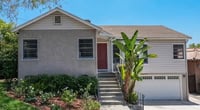
Within this limit, how much house one can afford becomes particularly important in Los Angeles. According to Zillow, the average home value in Los Angeles is $949,479, which has decreased by 0.7% over the past year (as of June 30, 2026). If a 20% down payment is made at this price point, the loan amount would be about $760,000, and applying a fixed interest rate of around 6.6% (ranging from 6.55% to 6.72%, according to Freddie Mac PMMS as of July 2026) would result in a monthly principal and interest payment of about $4,850. Adding property taxes and insurance can often push this amount well above the previously calculated DTI limit.
Therefore, how to combine the down payment ratio and loan type becomes crucial. FHA loans can start with a 3.5% down payment if the credit score is 580 or higher, and 10% if the score is between 500 and 579 (according to FHA.com). Conventional loans can be available from 3% for first-time homebuyers or those with an income at or below 80% of the area median income, while the standard is usually 5% for others. If the down payment is less than 20%, PMI will apply, and it is waived if it is 20% or more (according to NerdWallet). Lowering the down payment reduces initial burdens but increases monthly principal and PMI payments, so it is better to run various scenarios during the pre-approval stage.
The credit score affects not only the down payment requirements but also the actual interest rates applied. The lower the score range, the higher the interest rate for the same loan amount, which leads to differences in total interest burden over 30 years. It is also important to note that the rate presented by the lender when receiving the pre-approval letter is an estimate reflecting the credit score and market rates at that time, not a fixed rate.
California property tax is based on Prop 13, with a basic tax assessment rate of 1% plus local assessments like school bonds, resulting in an average effective tax rate of about 0.71% statewide (according to propertytaxrates.org). Los Angeles County is slightly lower at around 0.69% (according to propertytaxrates.org), but the presence of special assessments varies by individual property, so it is safer to check the tax details listed in the listing directly. First-time homebuyers should also consider reviewing CalHFA's MyHome Assistance Program during the pre-approval stage. It supports down payments with a second loan of up to 3.5% of the purchase price based on FHA loan criteria, with repayment deferred until the sale or refinancing (according to CalHFA). Income limits and completion of homebuyer education are required conditions.
Rate lock is also a procedure to take care of after pre-approval. Once an offer is accepted, you can request the lender to lock in the interest rate for about 30 to 45 days, and if closing is not completed within this period, a re-lock fee may apply. The earnest money included in the offer is typically set at 1% to 3% of the purchase price, deposited in escrow, and added to the down payment at closing.
Pre-approval is not a one-time process; it needs to be re-evaluated based on the market rates and property prices at the time of making an offer. This article does not constitute investment or legal advice, and loan terms and taxes may vary based on individual circumstances and counties, so it is advisable to consult with a loan officer and experts before finalizing any contracts.
 silverfoxwalker1906
 SodaFoxJoy






 moo moo |
 ultron78 |
 garlic bread |
 Sugar Cream Door Bulletproof Noodles |
 urbanmint |
 Weekend Movie Blog |
 Victory 1988 |
 Beauty, Health, Lifestyle Blog |
 Superman Cat Blog |
 coloradoman |
  urban legend |
  coolriver |
  Good Neighborhood, Wealthy District Information |
  Ro Ro Car |
  Amber H |
  new sugar |
  Palm 1000 |
  loran |
  donutfield |
  Tennis City |
  sunny7 |
  Questions about firearms while living in America |
  Shoot Me |
  mochifox |
  zucchini |
  Anna Life |
  Exciting FM Radio |
  pet dog |
  toodin |
  rosed |