
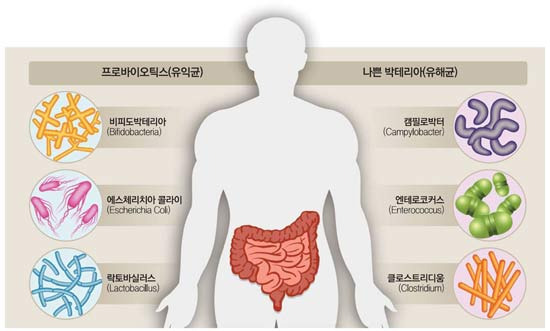
I would like to talk about microorganisms that have a positive impact on our bodies.
Did you know that the composition of microorganisms in our body is as important as our genes?
Most of these microorganisms reside in the gut (mainly the small and large intestines), playing a significant role in our health, immunity, and infection prevention.
When we think of healthy foods, we often consider various forms such as fermented foods, fresh produce, slow food, anti-inflammatory foods, vegetarian options, and raw foods. One reason these eating habits are beneficial to our bodies is that they positively change the composition of gut microorganisms and help increase beneficial bacteria.
Some benefits of having more beneficial microbes in our body include improved immunity, reduced risk of infections, and enhanced digestive and metabolic functions. In fact, humans can survive on just water, vitamins, proteins, carbohydrates, fats, minerals, and fiber, but the world is filled with bacteria, and our bodies are also a habitat for them, so we cannot ignore bacteria.
However, this beneficial microbial environment can easily be disrupted not only by poor eating habits but also by the use of antibiotics. Antibiotics kill bacteria indiscriminately, whether they are beneficial or harmful. A common example is antibiotic-associated colitis, where the use of broad-spectrum antibiotics can lead to a significant loss of beneficial gut microbes, allowing harmful bacteria like C. difficile to take over and cause problems.
In North America, to combat antibiotic-resistant bacteria caused by the overuse of antibiotics, instead of developing new antibiotics, a consistent intake of probiotics has been suggested. As a result, more than a quarter of Canadians take probiotics daily, showing a remarkable interest in them.
Five Foods That Support Beneficial Gut Microbes
Fermented Foods
Fermented foods like yogurt, kimchi, natto, and miso are representative foods that directly supply beneficial microbes. Thanks to various lactic acid bacteria and beneficial microbes produced during fermentation, we can effectively manage our gut environment.Fruits and Vegetables Rich in Dietary Fiber
Vegetables and fruits rich in dietary fiber, such as broccoli, cabbage, asparagus, bananas, and apples, provide good food for beneficial microbes. The dietary fiber, which is hard for our bodies to digest, is broken down by beneficial microbes to be used as energy, ultimately aiding in their proliferation.Whole Grains
Whole grains like brown rice, oats, barley, and whole wheat are rich in dietary fiber and minerals, playing a significant role in improving the gut environment. They may be digested a bit slower than white rice or flour, but this actually provides sufficient fiber needed for beneficial microbes.Legumes and Nuts
Legumes like beans, lentils, and chickpeas, as well as nuts like almonds, walnuts, and sunflower seeds, contain a balanced amount of plant-based protein and dietary fiber. These nutrients create a favorable environment for the proliferation of beneficial gut microbes while also increasing satiety, helping with dietary control.Foods Rich in Oligosaccharides
Oligosaccharides (prebiotic components) found abundantly in onions, garlic, and chicory roots are essential nutrients for beneficial microbes. By ensuring both probiotic and oligosaccharide intake, we create a much more favorable environment for beneficial gut microbes to thrive.
Choose healthy foods, reduce overly spicy or salty stimulating foods, and manage stress to maintain a healthy gut environment. This way, not only will beneficial microbes thrive, but you will also feel a significantly better state of health throughout your body.








 neroyo |
 nivex85 |
 Old English |
 nixxon |
 LIZ Legal Information Blog |
 Hae Naem |
 Physical Laws and Science |
 Grow Your Gut Bacteria Well |
 Koreab Date |
 Finding Superfoods |
  lightyear |
  song bang |
  vexomo |
  Indiana Jones |
  meloncat |
  novapixel |
  mortrix |
  Esther 1983 |
  fortbliss |
  Moscow Kim |
  My Two Way |
  toastyfox |
  FLORIDA Acus |
  tracker |
  TONTON COFFEE |
  sunrise |
  ultron78 |
  uplifted |
  Folding Instructions |