

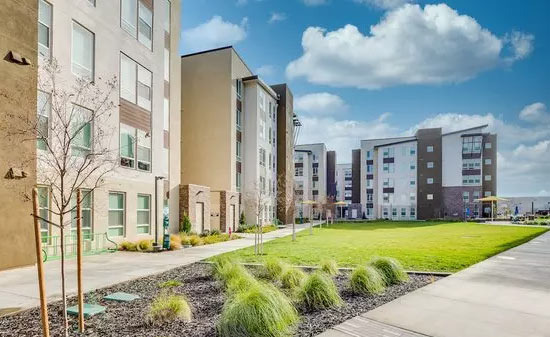
There is a question for those starting or considering retirement in Sacramento.
"What is it like to retire and live there?" Here are my thoughts based on personal experience.
The climate has its pros and cons for senior residents. The mild winters are definitely a plus.
The average high temperature in Sacramento in January is around 54 degrees Fahrenheit. The cold is not too harsh.
It doesn't snow. For seniors who suffer from joint pain in cold weather or fear icy roads, Sacramento winters provide a comfortable environment.
On the other hand, summers often exceed 95 degrees Fahrenheit. You cannot get by without air conditioning. The heat poses a health risk for older adults.
Summer lasts for over a month, requiring outdoor activities to be limited to early morning or after sunset.
The healthcare infrastructure is a strong point for Sacramento. UC Davis Medical Center, Sutter Medical Center, and Dignity Health-affiliated hospitals are located in Sacramento and nearby areas.
UC Davis Medical Center is a Level 1 trauma center in Northern California. It has good access to specialists and offers geriatric services.
California also provides medical assistance for low-income seniors through Medi-Cal. In terms of healthcare access, Sacramento ranks high among similarly sized cities in the U.S.
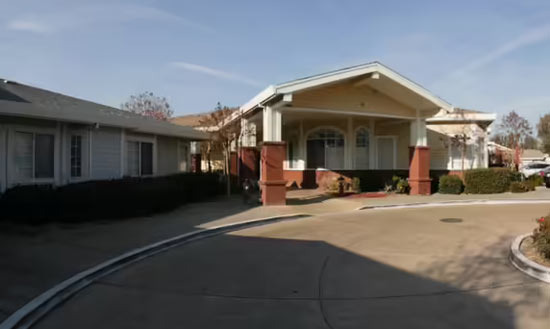
There are various senior housing options available. From independent living senior apartments to assisted living and memory care facilities, there are many options in the Sacramento metropolitan area.
Suburban cities like Roseville, Folsom, and Elk Grove have well-established senior-only communities.
These communities offer security, amenities, and social programs. If seniors want a safe environment to live alone, these communities are a practical option.
When discussing the cost of living more realistically, the most important factor for retirees is fixed expenses.
The average income for seniors in the U.S. is about $1,800 per month based on Social Security. For couples, it's around $3,000.
On top of that, personal pensions, IRAs, and 401(k) withdrawals are added. The issue is that the basic cost of living in Sacramento is hard to manage on this income alone.
One-bedroom rents range from $1,400 to $1,900 depending on the area. When you add utilities, food, car insurance, and medical expenses, a minimum of $2,500 to $3,500 is considered a realistic living cost. Even with Medicare, there are ongoing costs for prescriptions, copays, and additional insurance.
If you move to long-term care or assisted living, costs can rise to over $4,000 to $6,000 per month.
Ultimately, relying solely on pensions is insufficient, and planning for asset withdrawals is necessary for a stable living situation.
Taxes are also a variable. California has a state income tax. Social Security is not subject to state tax, but pensions and investment income are taxable.
When calculating cash flow after retirement, it's realistic to include taxes in the equation.
The infrastructure for senior social activities is also quite good. There are several Senior Centers operating in Sacramento. They offer sports, hobbies, volunteer opportunities, and educational programs.
Community activities for Korean seniors can also be found near Elk Grove and Rancho Cordova. Korean churches play an important role in socializing and supporting seniors.
In conclusion, Sacramento has clear advantages as a senior residence in terms of healthcare, winter climate, and community.
For seniors moving down from the Bay Area, it is a realistic alternative, but it is not considered an inexpensive city by national standards.
Considering city accessibility, nature, and the Korean community, it is a region worth considering.
However, it is clear that it is a city better suited for those who have properly prepared their retirement funding structure.
 ToilTomorrow
 RubyHero
 SpamAndEgg



 saffronroute |
 You Only Live Once |
 Texas Real Estate Blog |
 zentar |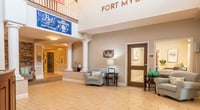
 seouljung |
 Hae Naem |
 Koreab Date |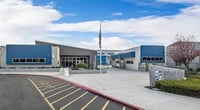
 Noodle Noodle |
 Physical Laws and Science |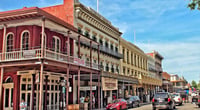
 Grow Your Gut Bacteria Well |
  Nando Raldo |
  American Man in a Mask |
  wendra |
  silver |
  bada2002 |
  horizon |
  Nanana Nanana Nanana |
  victoria jung |
  Kkikki Ppappa Shout Out Loud |
  Lululala |
  Toaster Pizza Magic Show |
  Utah, the Most Livable State |
  nortrix |
  Mau Nui |
  novapixel |
  fixed |
  AL ALASKA |
  amola |
  History Repeats Itself |