

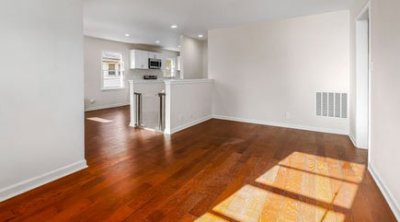
Philadelphia tends to have a lower effective property tax rate compared to nearby suburban areas like Montgomery and Bucks County, which often surprises those who first learn this fact. The city-wide real estate tax rate is set at 1.3998% based on the assessed value, but Philadelphia has a structure that lowers the burden for residents through the homestead exemption, which assesses property values closer to market value. Before deciding to move based solely on the reputation of suburban school districts, I recommend calculating the actual tax burden of city properties first. In my nearly 20 years of experience in this market, I've found that many people compare only the sale prices without understanding this structure.
The Philadelphia homestead exemption allows for a $100,000 deduction from the assessed value of a primary residence. For example, if a home is assessed at $230,000, the actual taxable value would be reduced to $130,000, bringing the effective tax rate down to around 1.0%. Considering the median home price in Philadelphia is about $235,000, this structure results in an annual property tax of approximately $2,300. If the exemption is not applied, the tax on the same home could rise to around $3,200, making a significant difference.
In nearby Montgomery County or Delaware County suburban areas, the effective tax rates can rise to 1.5% to 1.8% due to school district millage, so even if sale prices are similar, Philadelphia often has a lower property tax burden. However, it's important to note that Philadelphia also imposes a local tax that functions like an income tax. Households with earned income should include this local tax when comparing overall tax burdens.
Home insurance premiums can be expected to range from $1,400 to $1,700 per year. In low-lying areas near the Delaware River and Schuylkill River, flood insurance may be required, so it's necessary to check flood maps (FEMA flood zone) when viewing properties. Due to the prevalence of older row houses, insurance surcharges due to aging roofs and plumbing are also common. I recommend carefully checking fire-related endorsements since these homes share walls with adjacent properties.
Considering the proportion of older homes in Philadelphia, it's realistic to estimate maintenance costs at around 1.3% to 1.5%. For a home priced around $230,000, this would require about $3,100 annually, and when adding property taxes of $2,300 and insurance premiums of $1,500, the total annual ownership cost would be approximately $6,900. Compared to other major cities, this is relatively low. If you have a row house that is nearly 100 years old, it's wise to set aside additional funds for plumbing and electrical upgrades.
The homestead exemption is not applied automatically and must be requested directly from the Office of Property Assessment (OPA). It's common to miss the application after closing, so if the exemption is not reflected in the first property tax bill, I recommend checking immediately and submitting the application. There is also an additional relief program for low-income seniors aged 65 and older, so if you are living with retired parents, it's worth looking into this as well.
Ultimately, Philadelphia is a region where both sale prices and property tax burdens are low, which is a compelling reason to compare city properties before looking to the suburbs. However, the actual tax amount can vary significantly depending on whether the homestead exemption has been applied, so it's essential to verify whether the current property tax bill reflects the exemption status. The most reliable way to find out is to ask the seller directly about the exemption status.
If you are a Korean family settling in Philadelphia for the first time, I recommend prioritizing the homestead exemption application right after closing. The application can be done online and is not difficult, and remember that delaying the application for even a year can accumulate a significant tax difference.
 SilverGarden89
 HamCheeseDrop





 |
| 
 Premium Gas Camp |
 CA Real Estate |
 cheesepup |
 breezem |
 American Grape Shine Muscat |
 DelphiaMo |
 Information on All Regions of the United States |
 Your Curiosity Resolved |
 Pennsylvania Aunt |
  Static |
  Star Way |
  American Blog Forge |
  MMORPG Games |
  Then you must be spring |
  Spicy Immigration Life |
  zenvor16 |
  The 2000 |
  toclick |
  wexlin84 |
  Hairy Poppins |
  daisypat |
  Taco Bell Candy Note Blog |
  MintO |
  My Town My Way Blog |
  New Mexico Friends MAX |
  Hajiwon Blog Hair Salon |
  Wicked - Fireyo |
  Seattle - Emerald City |
  new noah |