

Living in Honolulu for a long time, many people say that just having one home often becomes the biggest asset. We are exactly in that situation.
After retiring from business, we can live off our pension, but our only asset is the $2 million home we currently live in.
However, people around us keep saying the same thing: we should definitely set up a living trust. At first, I honestly didn't understand why it was emphasized so much. It's just one house, so what's so complicated about it?
Upon looking into it, I found out that the reason for setting up a living trust is probate. At first, it doesn't seem like a big deal, but it turns out to be quite a troublesome process. When a person passes away, the assets in their name do not automatically transfer to their children; they must go through court verification. This process is called probate.
Simply put, it's the process where the court verifies and organizes who the assets will go to.
The problem is that this process is slower and more costly than expected. In Hawaii, it can sometimes be resolved in a few months, but usually, it takes close to a year. During that time, you cannot sell the house or dispose of it freely. From the children's perspective, it means they have assets but cannot access them.
The costs cannot be ignored either. There are attorney fees and court costs, and depending on the size of the estate, it can take a percentage of the value. With a $2 million home, that's not a small amount, and if you don't set up a trust, tens of thousands of dollars could be lost from the inheritance.
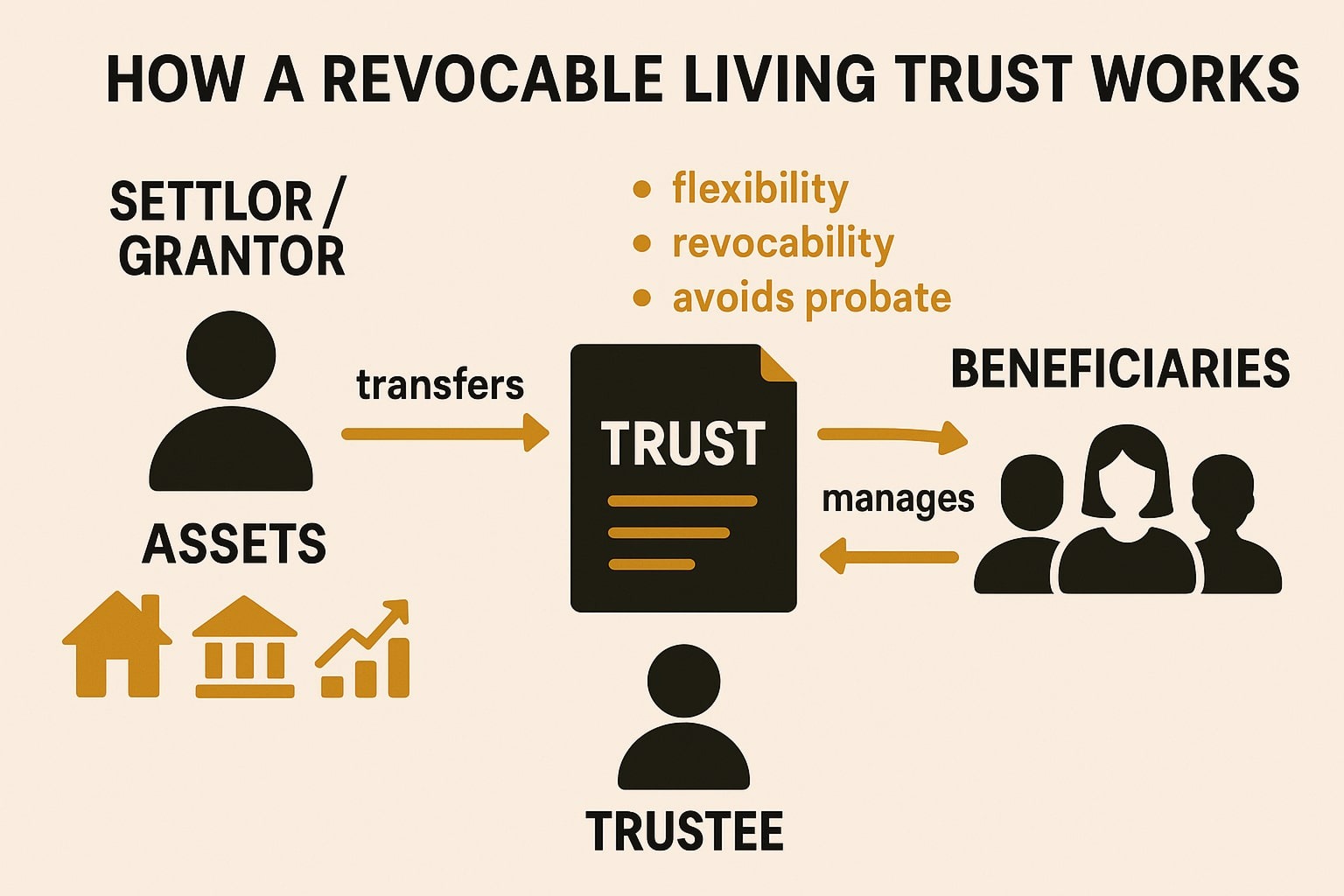
That's why people talk a lot about living trusts. A living trust is a structure where you transfer the home from personal ownership to trust ownership while you are still alive. By doing this, when you pass away, the house is no longer considered personal property but trust property, so it does not go through probate. It simply transfers as predetermined.
When I heard this during a consultation, it struck me that this is not just a tax issue but a matter of time and stress. It's especially important if you have more than one child. Going through probate can prolong the process, and if there are differences in opinions during that time, it can lead to family conflicts.
In our case, it seems simpler. Whether my husband goes first or I do, the surviving person wants to continue living in the house, and if both are gone, they want to sell the house and divide it between our two daughters. However, if we leave this unprepared, we will ultimately have to go through court procedures. On the other hand, if we set up a trust, the plan to sell the house and divide it will be executed as is.
Many people think, "What's the problem with just one house?" but it's actually more important the fewer assets you have. This is because it's an asset that cannot be divided like cash. Therefore, it's even more necessary to organize the process in advance.
The cost of setting up a living trust is around a few thousand dollars. At first, it may feel like a lot, but considering the costs and time of probate, it's actually a more economical method. This is especially true in areas like Hawaii where real estate values are high.
Ultimately, probate is the process where the state organizes things for you, while a living trust is a way for you to organize things in advance.
In fact, not everyone in the U.S. seems to fully understand the inheritance structure. Many people live with the mindset of "It will work out later" without any preparation. This is especially true for middle-class couples like us who own just one home.
The reason is that they simply "don't know." They think, "Doesn't it automatically go to my spouse or children when I die?" Many people believe this, and later their families end up struggling. This makes it even more necessary to prepare well.







 zentar |
 seouljung |
 AliAluAlo Blog |
 excel |
 orvik90 |
 Unknown Dog Walk blog |
 Hawaii Fox |

 silverado |
 cococo now |
  Conflite Teacher |
  summita |
  Ari Songhan American Immigration Life |
  marketbox |
  Investment Campus Home Ownership |
  yentra |
  Iowa Egen Aunt |
  donut33 |
  gravity |
  American Golf Course Travelogue |
  There Are Such Things in the World |
  Agenda Center |
  digital |
  timemachine |
  Starry Eyes |
  Desert King |
  Texas Real Estate Blog |
  U.S. Retirement Pension Information |
  Seattle - Emerald City |
  Texas Migration Story |