

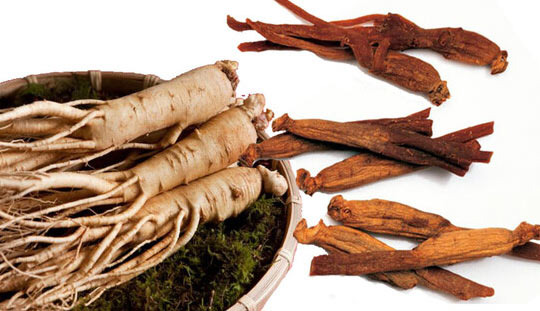
Hey everyone, don't you have people around you like this?
Some people say, "I feel warm and energized after taking red ginseng," while there are Americans who say, "I don't feel anything at all."
I was curious why one group feels the effects while the other does not, so I looked into it.
It turns out that it's not just because they are white; it often comes down to physiological differences and differences in expectations.
First, the way red ginseng works is a bit different.
You know how coffee wakes you up immediately? But red ginseng doesn't work that way. The main component of ginseng is 'ginsenosides,' which slowly regulate the body's stress response, immune balance, and fatigue recovery. So, it's not that you feel energized right away; often, you need to take it consistently for several weeks to notice a change. That's why many people try it for a few days and say, "This doesn't work."
So, you have to be patient!
Second, it depends on the person's constitution and current health status.
This is quite interesting: red ginseng is said to be more effective when the body is tired or the immune system is low. Conversely, healthy individuals may not feel much change because their body is already well-balanced, meaning there's not much to adjust. So, when a healthy person says, "I don't feel anything from red ginseng," it could actually be a good sign!
Third, it's really interesting that it's due to gut microbiota.
For ginseng to work effectively in our bodies, the bacteria in our intestines need to break it down to convert it into an active form. But everyone's gut environment is different. So, even if they consume the same red ginseng, some people absorb it well while others do not. This is one of the reasons why the effects of ginseng can vary so much from person to person. Seeing how gut health impacts this shows just how important it really is.
Fourth, it's about the difference in expectations and cultural experiences.
In our country, ginseng has been recognized as something "good for the body" since childhood. Our mothers and grandmothers always made sure we had it. This belief and experience actually influence how we perceive its effects. However, in the West, it's often viewed as just a herbal supplement, so if it doesn't feel special, there's a tendency to think, "It doesn't work." This cultural aspect is significant, rather than just a racial difference.
Also, the type of response can differ.
Some people feel warm, their heart races a bit, and they feel mentally clear after taking red ginseng. But others may not feel any change and just maintain a stable condition. This is important: it doesn't mean it's ineffective; it could simply mean that the body is quietly maintaining balance without stimulation. Just because you don't feel anything doesn't mean it's not working.
In summary, the lack of response to red ginseng isn't due to race but rather the individual's health status, gut environment, how long they've been taking it, and what effects they expect. Especially, red ginseng is not the type that shows immediate effects; it's cumulative and requires consistent intake to feel the benefits. So, if you expect quick results, you might be disappointed.
That's why for some people, foods like roasted garlic that warm the body immediately may feel more "effective." Our bodies are surprisingly honest, and we tend to trust the quicker responses.
Ultimately, what matters is not what is more famous, but how my body actually responds.
Isn't it best to feel comfortable in your own body rather than what others say is good?
So, everyone, pay attention to your own body!







 Tora Tora |
 neroyo |
 nivex85 |
 Old English |
 nixxon |
 victoria 68 |
 Hawaii Tourist Information |

 TEX MEX STAR |
 Vacation on Hawaii |
  DREAM BIG |
  frostbite |
  330 Forever My Love |
  El Dorado |
  dralix58 |
  Gorama Round |
  Skydiving |
  dreamport |
  Yellow Snowman |
  Toaster Pizza Magic Show |
  velvetnom |
  Anytime Journey |
  Mrs. Duluth |
  jaxter |
  Atlanta Mama |
  Baguette Blog |
  Tan Sol |
  US Embassy |
  Korean Mom |
  My NYC |