

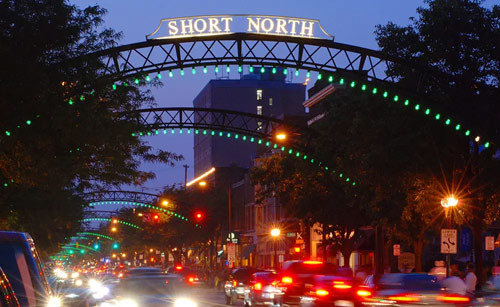
The Korean community in Columbus is smaller compared to major cities on the East or West Coast, but it has a unique atmosphere created by the student community centered around Ohio State University (OSU) and family-oriented communities settled in suburbs like Dublin and Hilliard. According to demographic data, the Korean population in the Columbus metropolitan area is estimated to be around 15,000 to 20,000, while the total number of Koreans in Ohio is reported to be between 30,000 and 40,000.
The area around the OSU campus is densely populated with Korean international students. Thousands of Korean students, including graduate and undergraduate students, are enrolled, and various unofficial gatherings and social groups operate actively alongside official organizations like the Korean Student Scholar Association (KSSA). There are Korean restaurants and cafes nearby, which help ease homesickness for students in their early days abroad. Many choose to stay in Columbus after graduation to find jobs or start businesses, contributing to the growth of the young Korean community.
Dublin is the most active area for Korean family communities in the Columbus metropolitan area. The combination of excellent Dublin City Schools, a safe living environment, and accessibility to Korean markets and restaurants makes it a preferred settlement area for Korean immigrant families. Several Korean churches are located in Dublin, playing a central role in the Korean network. These church communities significantly assist new immigrants in obtaining information and providing mutual support during their initial settlement.
Hilliard has also seen rapid growth in its Korean community recently. With more reasonable housing prices compared to Dublin and good ratings for Hilliard City Schools, more Korean families are either moving from Dublin or choosing Hilliard from the start. Korean shops are gradually expanding into the Hilliard area as well.
One characteristic of the Columbus Korean community is the mix of individuals from diverse backgrounds. It includes first-generation immigrants, 1.5 generation (immigrants at a young age), international students, expatriate families, second-generation individuals born in the U.S., and a growing number of visa-related immigrants. This diversity allows for the sharing of different perspectives and experiences, fostering active exchanges within the community.
Korean community events are held regularly. These include holiday celebrations for Chuseok and Seollal, Korean cultural festivals, and networking events organized by the Korean Chamber of Commerce, which have been adapted to both online and offline formats since COVID-19. Online communities are also active, exchanging information through KakaoTalk group chats, Naver cafes, and Facebook groups. Searching for "Columbus Korean" or "Ohio Korean" can help find related groups.
Overall, the Columbus Korean community has a warm atmosphere of mutual support and information sharing. Due to its smaller size, it is common to know someone just a bridge away, and new immigrants can integrate into the network relatively quickly. While it may lack the commercial development and variety of Korean shops and services found in larger city Korean communities, the close-knit community culture compensates for this.
For Koreans considering a move to Columbus, connecting with the community through a Korean church or online KakaoTalk group is the quickest way to get started. Practical information about living areas, school choices, doctor recommendations, and market locations can be obtained from those who have settled there, making the initial adjustment to life in the U.S. much smoother.
 TeacherJung
 FryDiver
 DiabetoNaldo
 MoonBunnyRun




 Make My Day |
 viroma |
 eatontown blog |
 Toaster Pizza Magic Show |
 US Embassy |
 Ohio Ohayoung Hello |
 fixed |
 MACCITON Real Estate |
 yentra |
  Victory 1988 |
  Tonky |
  cookie |
  Live and that's it |
  Alright Twain |
  HAWAII Korean Church News |
  Amore |
  linex |
  Balancework |
  laro90 |
  MEDBIO American Doctor Blog |
  SWAT TEAM BLK |
  DREAM BIG |
  frostbite |
  330 Forever My Love |
  El Dorado |