

In the U.S., if you suddenly get sick and visit the emergency room, even for something minor, it can easily cost $3,000 to $5,000.
Even with insurance, the deductible means money still comes out of your pocket.
So, here's my conclusion: health is about self-monitoring.
It doesn't take a lot of money; a few tools under $50 can prevent a medical bill explosion. In terms of ROI, there's no better investment, so keep an eye on your health.
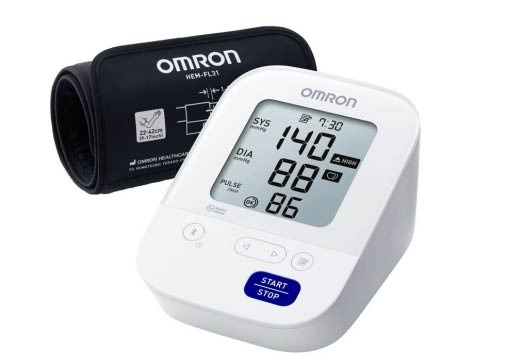
Home Blood Pressure Monitor (Omron, $40–50)High blood pressure has no symptoms, which is why it's called a silent killer. Measuring it once a year at the doctor's office won't catch anything. The key is to measure it morning and night at home to see trends. When data accumulates, doctors can make different judgments. If this small device prevents a stroke, it saves hundreds of thousands of dollars.
Smart Scale ($30)
Don't just look at your weight; track body fat and muscle mass trends. When you see the numbers every day, you're more likely to manage your health. If you don't measure it, you can't manage it.
Dental Floss + Electric Toothbrush
Dental costs in the U.S. are outrageous. Filling a cavity can cost $200, and a crown starts at $1,500. Insurance? Dental insurance has a low annual limit, so if something major happens, you're mostly paying out of pocket. Just one minute of flossing a day can save you that money. Prevention is where cost-effectiveness is most extreme.
Basic Supplements (Vitamin D, Omega-3, Vitamin C)
I'm not a fan of the all-purpose supplement theory. Most of it is marketing, and the effectiveness data is weak. But vitamin D is different. Many indoor workers are deficient, and this is directly linked to immunity, bones, and mood. At $15 a bottle, not buying it is a loss.
Pulse Oximeter ($20)
That device you put on your finger to check oxygen saturation. It was a lifesaver during COVID, and it's still a criterion for deciding whether to go to the ER when you have respiratory issues. If you avoid one unnecessary ER visit for $20, you've already made your money back.
Massage Gun ($30–40)
I know the pain of sitting all day and typing. If you develop a stiff neck or back pain, chiropractic visits can cost $80–120 each. Instead of saving that money for months, it's better to buy a foam roller and spend 10 minutes using it before bed. The key is to address chronic pain before it builds up.
Before signing up for expensive health check-up packages, start by gathering your body data with a few tools under $50 and be cautious to improve your health.
The most expensive thing in America is illness, and the cheapest is prevention.
 FrozenLake74
 PancakeWar
 HaniForever







 Spaghetti Flying Religion |
 Giant Squid and Sweet Potato Soup |
 choi family |
 What can make money? |
 road98 |
 Until the Day It Gets Better |
 Roman Pan |
 Experiences Living in America |

 vivavida |
  Way to easy |
  limestone |
  oster |
  daddyyo |
  neapolis |
  seadoll |
  ansdal |
  Vivid U.S. Regional Information |
  Vasila's Newlywed Blog |
  Arizona Cowboy |
  merry merry |
  Hoorah Ooorah |
  Fragile Me |
  Rowland Mama |
  foxtree |
  bayaa |
  loveyom |
  Coastal city |