

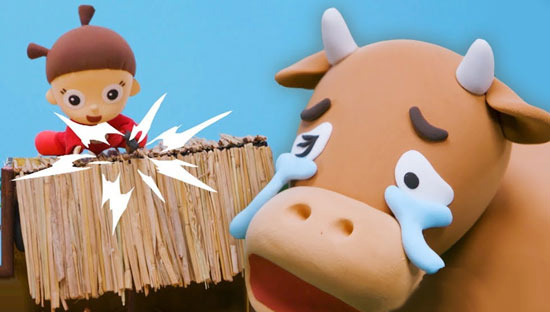
There is a Korean proverb that says, "Fixing the barn after losing the cow."
It used to sound like just an old person's nagging, but as I live my life, I realize why this saying has been passed down for so long. It doesn't seem to be a grand lesson, but rather a simple statement about how people live.
I have thought several times that I should install CCTV in my house after moving in; in today's world, it would be comforting to have one, right? I kept putting it off, even after adding it to my Amazon cart, saying, "I'll do it next month" or "This neighborhood should be fine for now."
Then one day, while I was out, a thief broke in through the garage door and stole a watch I received as a wedding gift, along with two laptops and a tablet.
The funny thing is that I installed the CCTV the very next day. It was truly a textbook case of fixing the barn after losing the cow.
Dealing with insurance was not as easy as I had hoped. They needed matching credit card statements for the purchase receipts, proof of the theft report, and the appraisal value, which dragged on for a long time, and in the end, I found myself settling for compensation for only a portion of my losses.
Throughout this process, one thought kept coming to mind: Why couldn't I have done this earlier? Why do I always realize things only after a problem arises? But when I think about it, I realize this isn't just my issue. People tend to underestimate 'things that haven't happened yet.' Even when I see theft incidents on the news, it feels like someone else's problem, and when I hear stories from those around me, I think, "I'm careful, so I should be fine."
By giving myself a pass and putting things off with excuses of inconvenience, cost, and reality, everything can turn upside down with just one incident. I see this scene quite often while living in America. It's the same with insurance, health check-ups, and retirement planning. People go to the hospital when they are sick, think about getting insurance only after an accident, and start searching for pensions and social security only when retirement is just around the corner. Everyone knows it in their heads, but their bodies don't move.
Right now seems more important than the future self, and problems that haven't occurred are treated as 'non-existent problems.' So, the saying about fixing the barn after losing the cow seems less like a mockery of laziness and more like an accurate observation of human psychology. We don't make mistakes because we are perfect; we repeat the same mistakes because we are so human.
We only understand the value of preparation after suffering losses and acknowledge the need for protection after getting hurt. That realization is bittersweet, yet it also brings some comfort. It's not just me who feels this way.
However, my thoughts have changed a bit lately. I've come to realize that the peace of mind I lost by not installing the CCTV was far greater than the cost of putting it in. I might not be able to fix another barn in advance next time.
But at least this time, I feel a desire to take action before losing a cow or two.
The truths of life always repeat, but I think the best we can do is learn to hurt a little less through those repetitions.







 eatontown blog |
 Toaster Pizza Magic Show |
 US Embassy |
 fortbliss |
 Folding Instructions |
 UCLA Captain |
 Experiences Living in America |
 Until the Day It Gets Better |
 Golden Knights |
 Tonky |
  viroma |
  cookie |
  Live and that's it |
  Alright Twain |
  HAWAII Korean Church News |
  Amore |
  linex |
  Balancework |
  laro90 |
  MEDBIO American Doctor Blog |
  SWAT TEAM BLK |
  DREAM BIG |
  frostbite |
  330 Forever My Love |
  El Dorado |
  dralix58 |
  Gorama Round |
  Skydiving |