

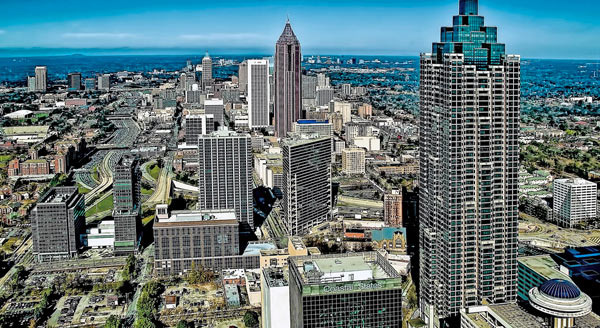
When looking at the outlook and current state of the Atlanta commercial real estate market, the phrases 'economic center of the Southeast', 'transportation hub', and 'logistics core' are always mentioned. This is not incorrect. The highways here are intertwined like a spider web, and the airport is one of the busiest in the world.
For a while, there was a strong atmosphere that commercial real estate investors flocked here, believing that it would definitely succeed. The talk that the city has become cleaner since the Olympics is still a common topic. However, the mood has changed a bit lately. Especially when looking at the office market, the reality is quite harsh. As remote work has become the norm after COVID, questions have started to arise about whether a large and fancy office is really necessary.
Atlanta is no exception. When you look at the office buildings in downtown and midtown, it is common to see lights on but no people around. Financial companies, law firms, and real estate companies have been reducing or relocating their offices, causing vacancy rates to quietly rise. Nowadays, it is common for office buildings to suddenly become co-working spaces, transform into retail, or just hang a renovation sign and buy time. From an investor's perspective, it is becoming increasingly hesitant to hit the long-term hold button.
On the other hand, logistics and industrial real estate are playing a different game. When logistics is mentioned, Atlanta's expression changes. With three highways intersecting and cargo pouring out of the airport, there is a constant shortage of warehouses. E-commerce companies are marking Atlanta as a logistics hub in the South, leading to steady increases in warehouse prices and rents. This sector is less affected by economic fluctuations and is regarded as a reliable asset that steadily generates income, even if it is not glamorous.
Retail is in a starkly polarized state typical of Atlanta. Traditional large shopping malls often have more empty stores than customers. In contrast, community-oriented shopping areas or open shopping centers focused on restaurants still have a lively atmosphere. With a young population that enjoys eating and socializing, experiential retail is surviving. Department stores are sighing, while restaurants and cafes are thriving.
With the film and broadcasting industry also joining in, the areas around studios create another story. When a filming location is established, offices, warehouses, and restaurants follow, suddenly changing the neighborhood's atmosphere. Startups and co-working spaces also have steady demand thanks to universities and research institutions. However, this sector feels more like it is being maintained modestly rather than booming.
Ultimately, the era of blind investment in Atlanta commercial real estate is over. Logistics remains strong, but office and retail require careful selection. While population influx and the business environment are still strengths, the realities of interest rates and the economy are significant challenges.
Atlanta is still a city of opportunities, but if you expected that any property purchased would appreciate, it is time to rethink that notion.
In this regard, Atlanta commercial real estate seems to be becoming a market where only those who have studied a lot can survive.
 CheolYoungmi







 ultron78 |
 garlic bread |
 Sugar Cream Door Bulletproof Noodles |
 urbanmint |
 |
| 
 Cherokee Rose |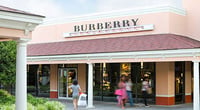
 Dingho and USA News |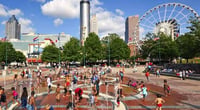
 Let's Be Like a Salt-like City Person |
  Gimmi207 Blog |
 moonshine 7 |
  Tora Tora |
  yellowbutter |
  Dolly |
  US Embassy |
  NYC saladbar |
  Finding Superfoods |
  lightyear |
  song bang |
  vexomo |
  Indiana Jones |
  meloncat |
  novapixel |
  mortrix |
  Esther 1983 |
  fortbliss |
  Moscow Kim |
  My Two Way |
  toastyfox |
  FLORIDA Acus |
  tracker |