
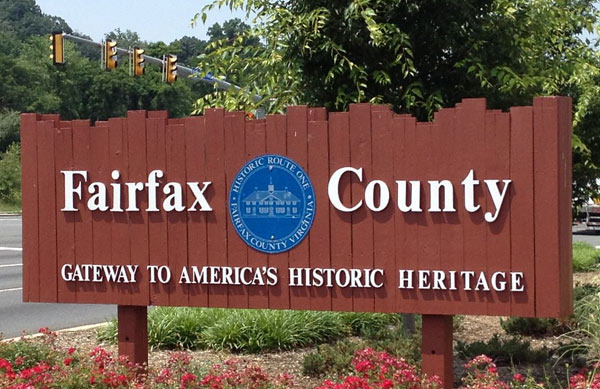
Looking at Fairfax County, you can sense why it is referred to as the 'representative suburban city near Washington' just by the numbers. First, the population is quite large. With over a million residents, it is significantly sized for a suburban area rather than an urban one. The long stretches of residential neighborhoods, community centers, and shopping malls are comfortably situated, yet the living population is densely packed.
The racial composition shows a clear diversity. About half of the population is White, and nearly 20% is Asian. This figure is relatively high for suburban areas in the U.S., particularly with a noticeable presence of Korean, Chinese, and Indian communities. The immigrant ratio is around 30%, making it a neighborhood where hearing multiple languages on the streets or in shops is quite natural. In short, it strongly feels like a "suburb comfortable for immigrants."
One of the most frequently heard pieces of information while living in this area is the income level. Fairfax is commonly referred to as a 'wealthy county,' not just because it is an upscale neighborhood, but because the actual household income is high. The median household income is around $150,000, which is definitely more comfortable compared to the U.S. average. The poverty rate is low, and the proportion of professionals is high, giving a sense of stability in the income structure. To put it simply, it feels more like a place where "people who have earned money gather" rather than a "place good for making money."
When income comes up, it naturally leads to discussions about housing prices, and housing in Fairfax is not cheap. The average home price is close to $700,000, so newcomers to the area are often surprised by the prices. However, long-time residents say, "It is expensive, but it is a neighborhood worth the cost." Home prices do not easily drop, and the school districts, safety, and infrastructure are stable, so once you live here, it makes sense. Therefore, this area is not a place for those looking for "cheap homes" but rather for those seeking a "residential area that maintains its value."
Another notable feature is the education level. The educational background of the parents is high, and many schools that children attend have good ratings. There are several well-known public high schools, and STEM programs and AP courses are well-established, naturally attracting families with a strong passion for education. This aspect is particularly important for Asian families. As a result, tutoring centers, private education, and after-school activities in this area are more active compared to surrounding suburban regions.
All these elements combine to make Fairfax not just a "neighborhood with good homes," but a region where jobs, education, and housing are interconnected. Thus, people tend to settle here rather than leave, and new immigrants looking for a "livable place" eventually flow into this area.
Ultimately, Fairfax is a suburban city that attracts people not because it is glamorous, but because it is stable, and not because it is diverse, but because it has a good balance. This quiet yet vibrant, competitive yet relaxed atmosphere is what keeps the residents of this area drawn in.






 moo moo |
 ultron78 |
 garlic bread |
 Sugar Cream Door Bulletproof Noodles |
 urbanmint |
 Alpha and Omega World |
 Yellow Snowman |

 Fairfax Fox |
 draxen |
  Anytime Journey |
  Mrs. Duluth |
  jaxter |
  Atlanta Mama |
  Baguette Blog |
  US Embassy |
  Korean Mom |
  My NYC |
  Mr Oh |
  forevergee |
  festival |
  manchester |
  constant |
  Leapfrog Move |
  vibranto |
  Tora Tora |
  yellowbutter |
  Dolly |
  NYC saladbar |