

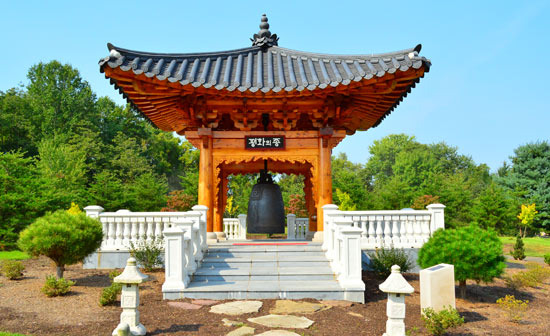
First-time visitors to Fairfax, Virginia, are often surprised by the number of Koreans living here.
Korean signage is visible in stores, and Korean characters blend seamlessly with the names of academies and restaurants. It feels as if a "Korean living zone" has naturally established itself in the heart of suburban America. So why do Koreans continue to settle in this area and even migrate here from surrounding regions? It's not just about job opportunities or housing prices. A variety of factors combine to create a living infrastructure that attracts Koreans to this place.
Fairfax has long been a popular suburban residence for those working in Washington D.C. Especially given the characteristics of Northern Virginia, which has many federal agencies, defense-related research institutions, and IT and engineering companies, there are conditions that allow professionals to settle down stably. Many Koreans work in these fields and prefer suburban areas that are not too far from their workplaces, which naturally draws them to Fairfax.
One essential factor that cannot be overlooked when Koreans choose a location is 'education.' Fairfax County consistently receives high ratings for its public school system, and the disparities between schools are relatively small. The interest in attending specialized high schools like Thomas Jefferson High School for Science and Technology (TJ), as well as the importance of STEM education and AP courses, makes this area attractive for Korean families. The question of "Where should we live for a good educational environment for our children?" continues to lead them toward Fairfax.
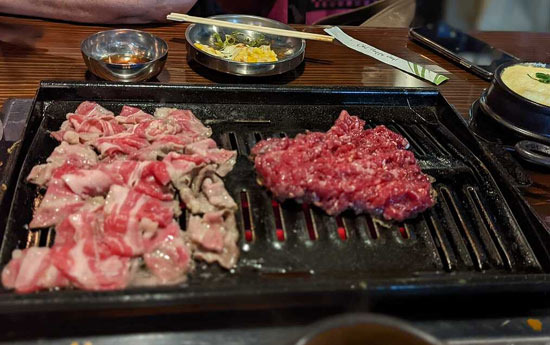
As the Korean population increases in an area, facilities necessary for Korean living naturally follow.
With Korean restaurants, Korean markets, academies, hospitals, beauty salons, real estate agencies, and churches already established, newcomers can start their lives here without significant inconvenience. In other words, a structure has been created where "an already well-established community attracts new people." While living in a place with many Koreans doesn't mean living exactly like in Korea, the ability to access Korean-style services and culture when needed is a significant advantage.
The housing prices in Fairfax are not cheap. However, high prices often guarantee rising property values and asset stability. The criteria for Koreans when it comes to real estate lean more towards long-term 'value preservation' rather than short-term 'affordability.' Areas with stable school districts, safety, job accessibility, and infrastructure do not see their prices drop easily. Therefore, there is a strong perception that it is a "worthwhile place to live" even if it is expensive.
Another important point is the unique network and information-sharing culture within the Korean community. Information spreads quickly through relatives, acquaintances, churches, alumni, and colleagues, with comments like "That neighborhood is nice," "The school there is good," and "Living there makes commuting easy," leading people to flock to specific areas. Fairfax has become one of the ultimate destinations for such recommendations and guidance.
In summary, the reason many Koreans live in Fairfax is not just a simple immigration flow but rather a result of the intersection of jobs, schools, housing, living infrastructure, and community information all coming together in one place. Simply put, Fairfax appears to be a 'feasible model' for stable American living for Korean families, which is why new families move here, and those already living here find it easy to stay.



 moo moo |
 ultron78 |
 garlic bread |
 Sugar Cream Door Bulletproof Noodles |
 urbanmint |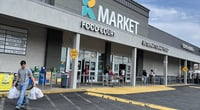
 Alpha and Omega World |
 Yellow Snowman |
 Fairfax Fox |
 draxen |
  Anytime Journey |
  Mrs. Duluth |
  jaxter |
  Atlanta Mama |
  Baguette Blog |
  US Embassy |
  Korean Mom |
  My NYC |
  Mr Oh |
  forevergee |
  festival |
  manchester |
  constant |
  Leapfrog Move |
  vibranto |
  Tora Tora |
  yellowbutter |
  Dolly |
  NYC saladbar |