

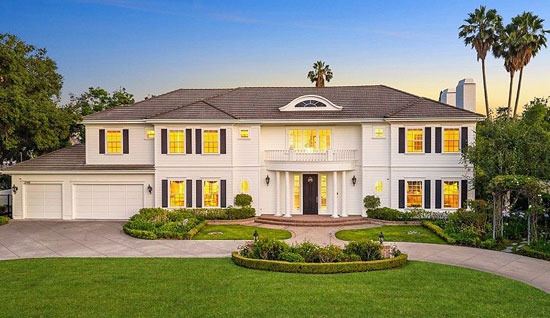
The background of Pasadena's luxury housing developments hides a long story intertwined with over a century of city history, natural environment, and the unique climate of Southern California. In the late 19th century, when Los Angeles was still barren farmland, wealthy individuals migrating from the East flocked to this area in search of warm sunshine and clean air.
Among them, Pasadena was so popular that it was called the 'Winter Retreat.' In winter, instead of snow, sunshine poured down, the air was clear due to the nearby mountains, and most importantly, the establishment of luxury resort hotels naturally positioned it as a 'resort for the upper class.' In the early 1900s, European-style mansions began to appear around Colorado Blvd, and homes with gardens and brick walls became symbols of Pasadena.
Architects of that time did not just build houses; they designed a 'lifestyle suited to the climate.' Windows that let in long rays of sunshine, gardens infused with the scent of oranges, and wide terraces under red-tiled roofs were the essence of Pasadena's residential culture of that era.
By the 1920s and 30s, as transportation to downtown Los Angeles became more convenient, more entrepreneurs and artists moved to this area. The wealthy of that time preferred the quiet hills of Pasadena, close to the mountains, over the noisy urban center. Thus, upscale residential areas like San Rafael Hills, Arroyo Seco, and South Arroyo were born.
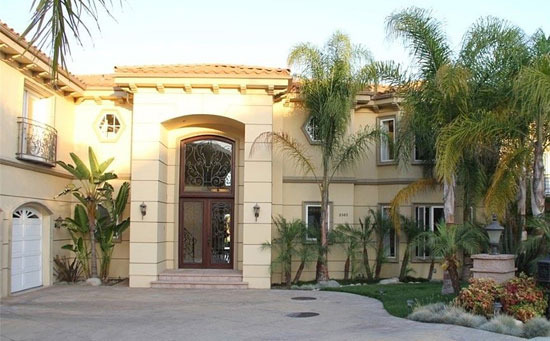
This area is still considered a wealthy district in Pasadena, not simply because the houses are large or expensive, but because of the historical value and the preservation of the natural landscape. At that time, gardens were regarded as a form of art, so landscape designers were always involved in housing design. Therefore, even today, as you walk around, you can see trees over a hundred years old and hand-planted roses in every alley.
As the 1950s and 60s approached, with the rapid expansion of Los Angeles, Pasadena once again gained attention as a luxury residential area. While nearby cities transformed into factories and commercial zones, Pasadena imposed development restrictions to maintain its nickname as the 'Garden City.' As a result, real estate from this period shifted from merely land value to a concept of 'buying quality of life.' However, this also meant more regulations and higher maintenance costs. You could not freely change the exterior of a house, and cutting down a single tree required city permission.
For this reason, this area has become a place where the middle class still finds it difficult to enter. Since the 1980s, Hollywood actors, entrepreneurs, professors, and architects have once again flocked to the hills of Pasadena. In particular, the South Arroyo area has often been used as a filming location, solidifying its image as a 'classic yet modern city.'
For example, houses that served as backgrounds for films like Back to the Future and Father of the Bride were filmed in this vicinity. Thanks to this, Pasadena has become a symbol of the 'American classic lifestyle' rather than just a residential area. Today's luxury housing developments in Pasadena are not just large and extravagant houses, but spaces that blend newness with old traditions.
Hiding smart home systems within the exterior walls of 1920s styles and remodeling interiors to modern standards while maintaining historical designs is the current trend. Most of these houses exceed three million dollars, and that price includes the 'value of time.'
Ultimately, Pasadena's luxury housing developments symbolize a lifestyle that cannot be purchased with money alone.







 ultron78 |
 garlic bread |
 Sugar Cream Door Bulletproof Noodles |
 urbanmint |
 |
| 
 Cali M Law Group |

 U.S. Weather Bureau News |
 Various Knowledge and Information in the USA |
  Korean Mom |
  My NYC |
  moo moo |
  Mr Oh |
  forevergee |
  festival |
  manchester |
  constant |
  Leapfrog Move |
  vibranto |
  Tora Tora |
  yellowbutter |
  Dolly |
  US Embassy |
  NYC saladbar |
  Finding Superfoods |
  lightyear |
  song bang |
  vexomo |
  Indiana Jones |