

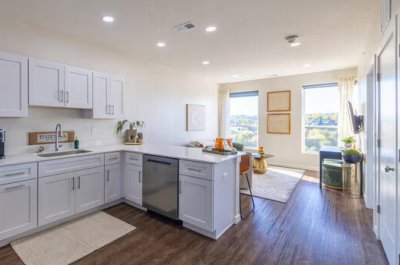
Savannah is a city that consistently attracts interest from both retirees and remote workers, thanks to its historic district charm and coastal accessibility. However, the unique hurricane risk along the coast is directly reflected in insurance premiums, meaning that if you only budget for property taxes, the actual ownership costs can differ significantly.
The effective property tax rate in Chatham County, where Savannah is located, is around 1.0% to 1.06% based on the median. This is not much different from the Georgia state median (1.00%) or the national median (1.02%), but there can be variations by zip code, ranging from 0.89% to over 1.4%, resulting in different tax burdens even within Savannah itself.
The median home price in Savannah is estimated to be around $220,000 to $230,000. Based on this, the annual property tax would be approximately $2,000 to $2,300. Actual statistics also report that the median property tax payment for Savannah homeowners is around $1,950, which aligns with this range.
The issue lies with insurance costs. Being close to the Atlantic coast, Savannah faces ongoing flood risks during hurricane season. Annual homeowners insurance premiums tend to be higher, ranging from $2,200 to $3,000, compared to inland cities in Georgia, and some areas require separate flood insurance, which adds to the overall cost.
Maintenance costs can be estimated at about 1.5% of the home price, resulting in annual expenses of around $3,300 to $3,400. Due to the humid coastal climate, wooden homes are relatively prone to termite damage and moisture-related exterior damage, so it would be wise to budget generously for maintenance.
When these three items are combined, the total annual home ownership cost is estimated to be around $7,500 to $8,600. The proportion of property taxes is not as significant as one might think; rather, it is the insurance and maintenance costs that drive up the total, which seems to be a characteristic of Savannah.
Compared to nearby counties, Effingham County to the north and Bryan County (Richmond Hill area) to the south often have relatively lower tax rates. If commuting distances are manageable, these areas could be considered as alternatives to lower tax burdens within the same budget.
Georgia's homestead exemption program applies similarly in Chatham County, reducing the assessed value for tax purposes on primary residences. It is important not to miss the deadline for applying for the exemption after closing, and since hurricane deductibles are often set separately, it is advisable to carefully compare conditions before purchasing insurance.
 CornSheriff
 MorningSun






 |
| 
 Premium Gas Camp |
 CA Real Estate |
 cheesepup |
 breezem |
 Atlanta Business Information |
 bravo777 |
 savannah choi |

 Let's Be Like a Salt-like City Person |
  California Kangaroo |
  zanero |
  station |
  Static |
  Star Way |
  American Blog Forge |
  MMORPG Games |
  Then you must be spring |
  Spicy Immigration Life |
  zenvor16 |
  The 2000 |
  toclick |
  wexlin84 |
  Hairy Poppins |
  daisypat |
  Taco Bell Candy Note Blog |
  MintO |
  My Town My Way Blog |
  New Mexico Friends MAX |
  Hajiwon Blog Hair Salon |