

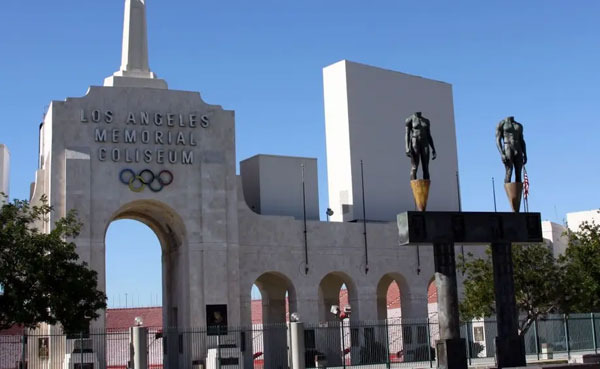
Currently, Los Angeles is at a clear turning point as it prepares for two major events: the 2026 FIFA World Cup and the 2028 Summer Olympics. In recent consultations, I frequently receive questions like, "Is now a good time to buy a house?" and "Will prices drop after the Olympics?" From my perspective in the real estate industry, I believe that LA in 2026 has already moved past vague expectations and is entering a phase where actual values are beginning to show in numbers.
In the past, discussions about the Olympics often remained at the planning level. However, the situation is different in 2026.
Transportation and infrastructure projects are visibly nearing completion. Projects like the Westside extension of the LA Metro Purple Line and the airport people mover are becoming a reality, improving access to areas that were previously overlooked due to transportation issues. Real estate values are directly linked to travel time, and properties near transit stations are showing a slightly higher upward trend than average.
Moreover, the 2026 World Cup is effectively serving as a rehearsal for the 2028 Olympics. SoFi Stadium in Inglewood and the downtown area are experiencing a rapid increase in lodging and commercial demand, which is also affecting residential real estate. Rather than experiencing a sharp decline, the market seems to be stabilizing, indicating a shift in market dynamics.
However, the Olympics will not uplift all areas of LA equally. Changes are primarily centered around venues and infrastructure. Inglewood has completely shed its past image. With the addition of the Intuit Dome, it has established itself as a hub for sports and entertainment, and it has now become a place where finding affordable housing is challenging. The downtown area and neighborhoods near USC are seeing investment interest concentrated in the condo market due to overlapping demand from media professionals and corporate rentals. Coastal areas like Long Beach and Santa Monica are also steadily attracting high-income workers due to improved transportation networks.
Of course, there are risks involved. Interest rate policies and the pace of housing supply remain important variables. Fortunately, as of 2026, interest rates are relatively stable, and the increase in high-density housing development is gradually reviving transactions. At the same time, the potential for social conflicts due to gentrification cannot be ignored. Rising prices may lead to the displacement of existing tenants, so it is essential to consider local regulations and the overall atmosphere.
In conclusion, the Olympics are not just a simple event in the LA real estate market; they are more like an engine. What remains after the two-week festival are railways, roads, commercial areas, and a transformed urban structure. The year 2026 is when these changes will be most pronounced. Instead of worrying about potential declines after the Olympics, I believe a more realistic perspective on LA real estate today is to observe how the environment left by the Olympics transforms this area into a more livable place.




 moo moo |
 ultron78 |
 garlic bread |
 Sugar Cream Door Bulletproof Noodles |
 urbanmint |
 Weekend Movie Blog |
 Beauty, Health, Lifestyle Blog |
 coloradoman |
 Superman Cat Blog |
 novapixel |
  Anytime Journey |
  Mrs. Duluth |
  jaxter |
  Atlanta Mama |
  Baguette Blog |
  US Embassy |
  Korean Mom |
  My NYC |
  Mr Oh |
  forevergee |
  festival |
  manchester |
  constant |
  Leapfrog Move |
  vibranto |
  Tora Tora |
  yellowbutter |
  Dolly |
  NYC saladbar |