

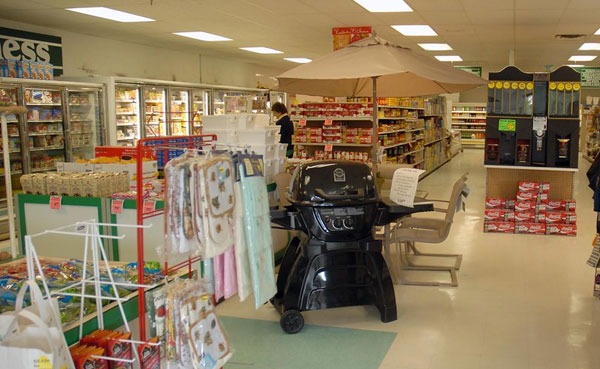
As a Korean family living in Anchorage, the high cost of living is as penetrating as the winter cold in this city.
As everyone knows, the overall cost of living in Anchorage is about 20 percent higher than the national average, and grocery prices are particularly steep. Every time we receive a receipt at the grocery store, a sigh escapes, a common scene among the Korean community here.
The first item that hits hard is milk. As of 2026, the average price for a gallon of regular milk in Anchorage is between $4 and $5.23. This is significantly higher than the mainland average. Alaska has very few large dairy farms, so most dairy products are transported from the lower 48 states by truck or plane. Milk is all about freshness, making the transportation process complicated and costly. We can't avoid buying it for the kids, and our shopping carts are always heavy.
The price of gasoline is also considerable. As of late 2025, the average price for regular gasoline in Anchorage is about $3.98 per gallon, which is approximately 17 percent higher than the national average. Alaska is known for its oil, but Anchorage lacks the refining facilities to supply it, leading to a complex system of sending crude oil and then bringing back refined fuel. In a place where pickup trucks are essential, fuel costs are essentially part of living expenses. It's ironic that while crude oil is abundant here, we envy states like Texas with their low gas prices.
Vegetable prices are even more serious. A head of lettuce costs between $2 and $4, and basic vegetables like potatoes and tomatoes range from $2 to $5 per pound. Alaska has long winters and limited farmland, so most vegetables are transported by refrigerated trucks or air freight. The costs to maintain freshness are directly reflected in the prices. The vegetables we used to buy easily at Korean markets are now a luxury here.
Soda is no exception. A pack of 12 cans costs between $7 and $10 or more. On the mainland, you can find them for around $5 on sale, but such prices are nearly impossible to find in Anchorage. Bulky and heavy beverages incur higher transportation costs, driving prices up further.
The root cause of all this high pricing is logistics. Alaska is geographically isolated and has challenging weather conditions. Most goods come in through multiple stages of trucks, boats, and planes. The high transportation and distribution costs ultimately lead to higher consumer prices.
In this tight environment, families in Anchorage develop their own survival strategies. They buy in bulk at Costco to lower unit prices, fill their protein diets with freshly caught salmon or seafood from the docks, and manage budgets meticulously to reduce unnecessary spending. Living here, planned spending is not a choice but a necessity.
The high cost of living in Anchorage is another test of immigrant life. The reality of having to calculate every glass of milk and drop of oil is overwhelming, but our resilience in maintaining our families in such an environment is our greatest asset. Today, I send my support to all Anchorage residents who are wisely battling the high cost of living in their own ways.





 Make My Day |
 viroma |
 eatontown blog |
 Toaster Pizza Magic Show |
 US Embassy |
 AL ALASKA |
 Information on Area Codes in the Americas |

 Alaska Salmon Buyer |
 Sunny's Travel in America |
  road98 |
  Churros Train Conductor |
  gleeful |
  Burbank Lee |
  Olivia's Blog |
  Bushing Around Life |
  Active |
  Cherokee Rose |
  Kor. Master |
  Holey Moley |
  Conflite Teacher |
  Hodong Prince Over Flex |
  Mist inn |
  citrus pop |
  Onion Ring |
  phoenixia |
  viewtop |
  loverun |
  Kim Do Sun |
  SEVEN SEVEN |