

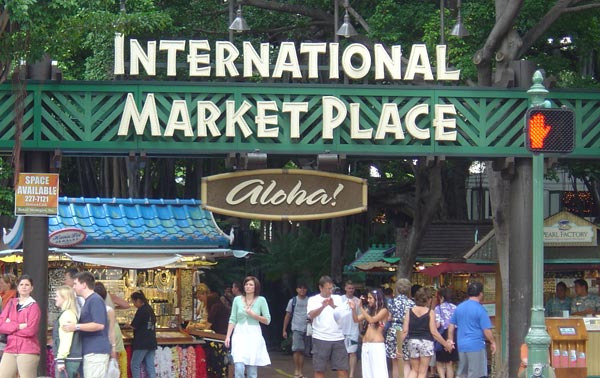
Living in Hawaii, you can really feel how high the cost of living is...
It's not just that it's a tourist destination; in fact, even locals are leaving Hawaii due to the cost of living.
One of the reasons why Hawaii's prices are exceptionally high is the Jones Act. This regulation requires that goods transported between U.S. ports must be carried on ships built in the U.S., manned by U.S. crews, and operated by U.S. companies, which acts like a nightmare for island regions like Hawaii.
Even though foreign ships can operate much cheaper, they are forced to use expensive American ships, causing transportation costs to skyrocket, and that burden directly comes out of the residents' wallets.
According to research, this law causes an additional annual cost of about $1,800 per resident in Hawaii. Ultimately, Hawaii is trapped in a reality where, despite being surrounded by the ocean, it cannot live cheaply by utilizing the sea.
Here are the top 10 most expensive items in Hawaii based on perceived spending.
Restaurant Food Prices
Dining out in Hawaii feels almost like a luxury. A typical brunch costs at least $20 to $25, and even a light dinner at a seafood restaurant can run close to $50 per person. Adding a tip of 15-20% makes you wonder, 'Do I really need to eat out for this much?' Tourists may enjoy it, but for locals, dining out is one of the most burdensome expenses in their monthly budget.
Grocery Prices
Even shopping at the grocery store doesn't solve the problem since restaurants are expensive. A gallon of milk costs $6 to $8, a pack of chicken is around $15, and basic foods like fresh fruits, bread, and cheese are mostly 1.5 to 2 times the price compared to the mainland U.S. All goods come in by ship or plane, so logistics costs are directly added to the prices.
Rental Car Costs
Due to the inconvenience of public transportation in many areas, renting a car is practically essential. However, during peak season, daily rates often exceed $100, and with insurance, it can approach $150. Additionally, you must return the car with a full tank of gas, and the inspection for scratches can be quite strict, leading to additional costs.
Parking Fees
If you've rented a car, another expense awaits: parking fees. Hotel parking can commonly cost $30 to $60 per day, and commercial parking lots charge around $15 for 1-2 hours. Many shopping malls offer free parking only if you spend a certain amount.
Lodging Rates
Even a standard hotel without an ocean view costs around $200 to $300 per night, while famous resorts can easily exceed $500. Additionally, there are extra fees labeled as resort fees, which automatically charge around $40 to $60 per day for towel usage, gym access, and simple activities.
Resort Activities
Activities like surfing lessons, snorkeling tours, and dolphin experiences are popular, but the prices are not trivial. A snorkeling tour alone costs between $100 and $200, and a single surfing lesson typically ranges from $80 to $150. Families can experience the miracle of 'activity costs exceeding airfare.'
Electricity, Water, and Gas Bills
The cost of living that locals feel most acutely is the electricity and water bills. Hawaii relies on external sources for energy, making costs very high. Therefore, it's hard to run the air conditioning indiscriminately, and doing laundry frequently becomes burdensome, leading residents to live more frugally at home.
Transportation and Fuel Costs
Due to the island's characteristics, transportation costs are high. Gas prices are always higher than on the mainland, and this difference can increase depending on the season. Tourists may find themselves thinking, "Is this trip a test for my wallet?" every time they fill up their rental car.
Hawaii is a paradise in terms of scenery, but the cost of living is the harsh reality. If you're planning a trip, it's wise to budget generously and adjust your spending by enjoying free beaches and nature rather than dining out and shopping. Reducing wallet worries is the best way to truly experience the relaxation of Hawaii.




 eatontown blog |
 Toaster Pizza Magic Show |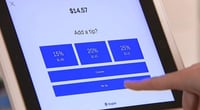
 US Embassy |
 fortbliss |
 Folding Instructions |
 victoria 68 |
 Hawaii Tourist Information |
 HAWAII Korean Church News |
 TEX MEX STAR |
  Tonky |
  viroma |
  cookie |
  Live and that's it |
  Alright Twain |
  Amore |
  linex |
  Balancework |
  laro90 |
  MEDBIO American Doctor Blog |
  SWAT TEAM BLK |
  DREAM BIG |
  frostbite |
  330 Forever My Love |
  El Dorado |
  dralix58 |
  Gorama Round |
  Skydiving |