
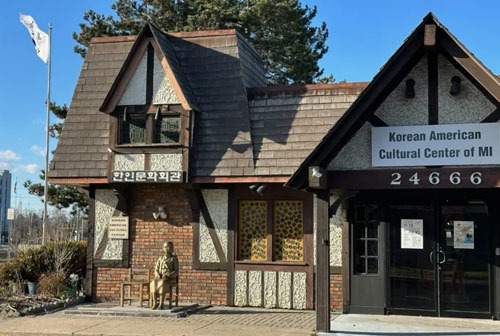
The Korean community in the Lansing and East Lansing area is honestly not as large compared to Detroit or Ann Arbor.
However, thanks to the proximity of Michigan State University (MSU), there is a steady influx of Korean students, professors, researchers, and visiting scholars, creating a relatively young and academic atmosphere within the community. The Korean population is estimated to be around 1,000 to 2,000 when combining the Lansing and East Lansing areas according to official statistics, and the actual number may be higher when including MSU students and researchers.
Within the MSU campus, the Korean Students Association (KSA) is actively operating, providing support for newly arrived Korean students to adapt to school life. KSA organizes various activities such as regular meetings, cultural events, and job networking events.
Additionally, there is an informal network among Korean professors and researchers in East Lansing, where professionals and academics often gather to exchange ideas.
Throughout Michigan, the Korean American Association of Michigan is responsible for community-related events and support, with its main activities centered in the Detroit metropolitan area, but Koreans in the Lansing area also participate in major events.
The living centers of the Lansing and East Lansing Korean community are primarily two areas. One is near Grand River Avenue in East Lansing, which is densely populated with Korean restaurants, Asian markets, and cafes frequently visited by students.
The other is in the residential areas of southern and western Lansing, where many long-term residents and working Koreans have settled. Korean churches play a central role in the local community, facilitating the sharing of life information, children's education, elder care, and support for new immigrants through church communities. Besides churches, Lansing Koreans often share information through KakaoTalk group chats or local online communities.
Although the size of the Korean community in Lansing is small, it is noted for its relatively strong sense of solidarity. Newly arrived families often quickly establish their living bases through church or school networks, and there is a supportive environment where they can receive help from senior Koreans during practical settlement processes such as adapting to schools, obtaining driver's licenses, finding hospitals, and signing rental agreements.
There are also Korean schools operated on a church basis, providing Korean language and cultural education for the children of the second generation of immigrants. Unlike larger metropolitan Korean communities, the Lansing Korean community is characterized by the warmth and friendliness unique to smaller communities.
 GrassFlute


 My Town My Way Blog |
 Arizona AZ Cowboy |
 Valley Hong |
 Mr Oh |
 ollege Mom |
 raspberry7 |
 sugartrail |
 vibranto |
 bloom |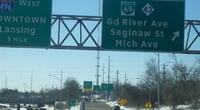
 vanillastorm |
  Fragile Me |
  Rowland Mama |
  foxtree |
  bayaa |
  loveyom |
  Coastal city |
  Spaghetti Flying Religion |
  holy cow |
  endone |
  starline |
  Where is a really nice neighborhood? |
  Real Estate |
  Forest Gump |
  Real Estate Investment Korean American |
  Dollydori, Lover of Movies |
  dmzline |
  travelo |
  American Food Information & Calories |
  Splendid Mission |