

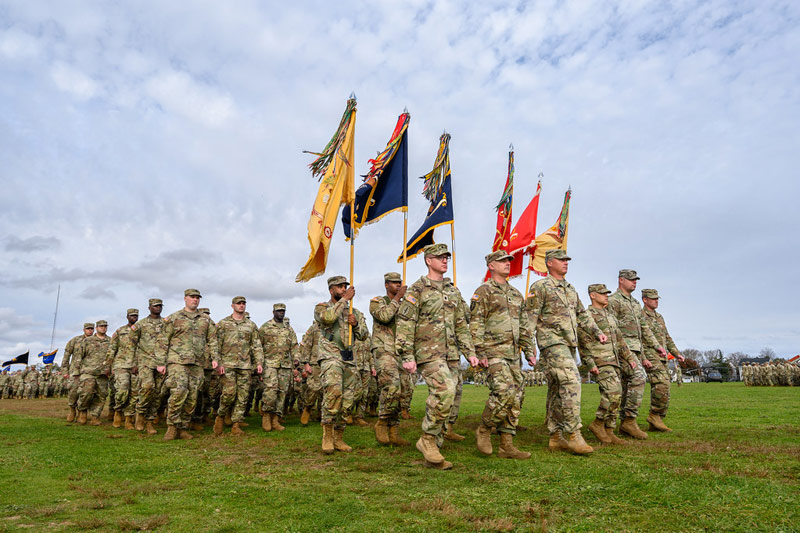
Hello. The U.S. defense budget is among the largest in the world.
The commonly referred "U.S. defense spending" is this budget, which is actually quite complex as it can include not only the Department of Defense (DoD) but also the Department of Energy (related to nuclear weapons), intelligence agencies, and other military and security programs.
Size of the U.S. Defense Budget
- Scale
In recent years, the U.S. defense-related budget has been set at hundreds of billions of dollars each year (approximately over $700 to $800 billion). For example, the defense budget for 2023 (based on NDAA) was about $858 billion, and for 2024, approximately $886 billion is planned. - Global Comparison
The U.S. is estimated to account for over 30% of global defense spending. This is an important figure supporting the U.S.'s overwhelming military power, as even combined spending from countries ranked 2nd and 3rd, like China and Russia, often does not reach the U.S. budget.
Allocation and Operation Methods
Congress Approval Process
The U.S. defense budget is finalized after being reviewed and voted on by the House and Senate based on the budget proposal submitted by the President. This is commonly referred to as the 'NDAA (National Defense Authorization Act)', which is passed at the end of each year and takes effect after the President's signature.Components
- Personnel Costs (Pay & Personnel): Salaries, allowances, and welfare costs for military personnel (active duty, reserve, National Guard, etc.)
- Operations & Maintenance (O&M): Costs for unit operations, equipment maintenance, training expenses, etc.
- Research & Development (R&D) and Procurement: Costs for the development and purchase of weapon systems and equipment. For example, next-generation fighter jets or naval vessels, missile systems, etc.
- Military Construction: Base construction and maintenance, etc.
- Other Items: Various sectors are included, such as nuclear weapons development (mainly under the Department of Energy's NNSA), cybersecurity, and space-related programs (Space Force).
Long-term Planning (Future Years Defense Program, FYDP)
The Department of Defense establishes medium- to long-term plans for about five years, setting plans for weapon system development or military facility expansion. When presenting the budget each year, projected figures for the coming years are also announced, allowing insight into what military capabilities are being invested in over the medium to long term.
Areas of Increasing Interest
- Space Force
Established as an independent branch in 2019, the Space Force allocates budget to areas related to satellite operations, space surveillance, and missile defense systems. - Cyber Security
As cyberspace emerges as a new battlefield, there is a significant increase in investment for strengthening cyber defense and advanced technology R&D. - Unmanned and AI Systems
Investment in technologies for next-generation battlefield operations, such as drones, unmanned submarines, and AI-based reconnaissance and combat systems, is also continuously expanding.
Impact of the Budget
- Maintenance and Expansion of Military Power
A large budget directly affects the operational maintenance of U.S. forces deployed around the world, the introduction of new weapon systems, and joint training with allies. - Technological and Economic Aspects
Military R&D often spins off into the civilian sector, leading to the birth of various innovative technologies. Examples include the internet and GPS, which were initially military technologies that transitioned to civilian use, bringing significant changes to everyday life. - Link to Foreign Policy
Unless isolationist, U.S. defense spending also acts as a means of cooperation with allies or deterrence against conflicts. As the budget increases, there tends to be more active foreign and military policy, such as support for overseas stationed troops and foreign military sales.
Notes
- Variability Based on Political and International Situations
Changes in defense spending often occur due to the partisan positions of the U.S. administration and Congress (Democrats and Republicans), international conflict situations, and terrorist threats. - Transparency Issues in Detailed Items
Some sensitive items (especially intelligence and special operations budgets) have limited detailed disclosure. Therefore, there is a perspective that the actual total defense spending may be higher than the officially announced figures.
The U.S. defense budget boasts the largest scale in the world and is finalized after intense discussions in Congress each year. Based on this massive funding, the U.S. maintains its position as a global military power. However, every time the budget increases, there are criticisms of it being "excessive," and concerns about an arms race in the international community often rise.
Ultimately, U.S. defense spending significantly impacts security, diplomacy, and the economy, making it a matter of global attention. If you have further questions, you can refer to the annual budget proposal from the Department of Defense (DoD) or the original NDAA text, as well as reports from the Congressional Budget Office (CBO) for more specific figures.





 Moscow Kim |
 coloradoman |
 Montgomery Mom |
 GOGO SING |
 Hajiwon Blog Hair Salon |
 productionblog |
 Big North |
 All About Real Estate Information in the USA |
 U.S. Military Recruitment Information |
 Finding Superfoods |
  lightyear |
  song bang |
  vexomo |
  Indiana Jones |
  meloncat |
  novapixel |
  mortrix |
  Esther 1983 |
  fortbliss |
  My Two Way |
  toastyfox |
  FLORIDA Acus |
  tracker |
  TONTON COFFEE |
  sunrise |
  ultron78 |
  uplifted |
  Folding Instructions |