

The median household income in Dallas is $55,000. Compared to the national average of $78,538, this figure is about 30% lower.
To understand why Dallas, the largest city in the DFW Metroplex, remains at this level, we can examine the market structure.
In the downtown and southern areas of Dallas, there is a high proportion of low-income and immigrant households. The Hispanic population makes up over 40% of the total, and the median income of these households contributes to lowering the overall average. In contrast, moving north to Highland Park or just north of the LBJ Freeway, the median household income rises sharply to between $90,000 and $130,000. Within the same administrative boundaries of Dallas, income disparities exceed twofold.
Looking at the major industries, Dallas has a strong presence in finance, insurance, and real estate. Companies like AT&T, Southwest Airlines, and energy firms have their headquarters in Dallas or the DFW Metroplex, and the employment from these headquarters forms the upper income tier. However, most of these high-income jobs are distributed across satellite cities like Plano, Irving, and Garland, limiting their impact on raising the median income figures for downtown Dallas.
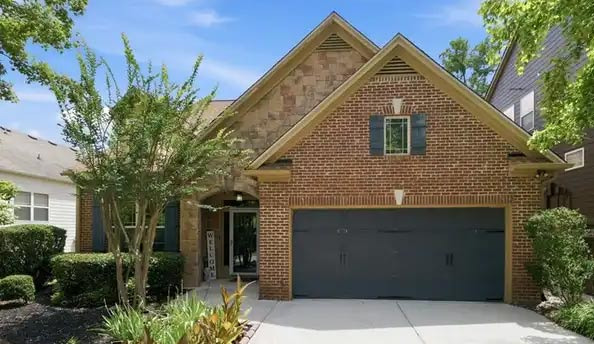
In terms of housing prices, the median price for single-family homes in Dallas ranges from $280,000 to $330,000. Based on a $55,000 income, the housing purchase affordability ratio reaches 5 to 6 times, which is quite burdensome. The high property tax in Texas also contributes to the actual financial burden. After a 20% down payment, the monthly mortgage is about $1,400 to $1,700, and when combined with property taxes and insurance, the total monthly housing cost rises to between $1,800 and $2,200, which corresponds to about 50% of the after-tax monthly income for a household earning $55,000.
So, what are the practical living conditions for someone earning $55,000 in Dallas? With the benefit of no state income tax in Texas, the after-tax monthly income is around $4,000. The average rent for a two-bedroom apartment is between $1,400 and $1,700, resulting in a rent burden rate of 35% to 42%. While grocery, transportation, and medical costs are lower than in other major cities, making it somewhat balanced, accumulating extra savings is still challenging.
From an investment perspective, Dallas remains an area of interest. The city experiences steady population growth and stable rental demand. However, recent increases in supply have led to adjustments in rental prices in some areas. The average cap rate is around 5% to 6%, with variations depending on the region.
If one only sees the $55,000 figure for Dallas as low, they are missing half of the market. The income landscape in the southern and northern parts of the city is completely different, and depending on where one positions themselves, investment strategies and living choices will vary. Understanding the geographical structure of income distribution is the first step in analyzing the Dallas market.
 SweetCheeks
 SunnySmile







 urbanmint |
 |
| 
 Premium Gas Camp |
 CA Real Estate |
 xylora |
 Aura-Infused WACAM |

 SWAT TEAM BLK |
 Texas Migration Story |
  horizon |
  Nanana Nanana Nanana |
  victoria jung |
  Kkikki Ppappa Shout Out Loud |
  Lululala |
  Toaster Pizza Magic Show |
  nortrix |
  Mau Nui |
  novapixel |
  fixed |
  AL ALASKA |
  amola |
  History Repeats Itself |
  Doori Ark |
  Rainbow Bridge to the Sky |
  Sunny Fullerton |
  U.S. Weather Bureau News |
  GOGO SING |