
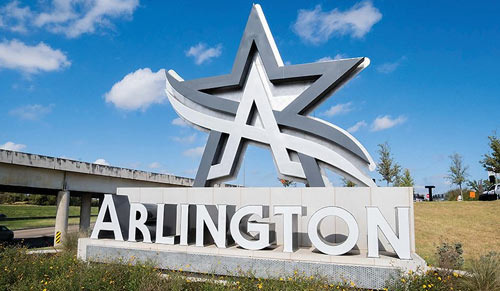
Before moving to Arlington, I only found information saying that the Texas weather is "hot," so I didn't fully grasp it until I experienced it myself.
However, after going through a full cycle, I realized that simply saying it's hot doesn't capture everything. Each season feels quite different.
Summer is the most intense. It officially starts in June and peaks in August, with the average high temperature in August being 95.9°F (about 35.5°C). The feels-like temperature often goes even higher. June averages 90.9°F, and July averages 94.6°F. These months are practically impossible to go outside without air conditioning. At first, I thought this was a joke, but the moment I touched the steering wheel of my car parked in the lot in August, I realized the reality. That's what a Texas summer is really like.
Winter is milder than expected. The average in December is 55.2°F (about 12.9°C), and February is around 58.6°F. The average low in January is 39°F (about 4°C), but it only snows about 2.2 days a year. The annual snowfall is about 0.91 inches. So when a winter cold snap hits, the city's infrastructure can freeze up, like during the major cold snap in 2021. The lack of preparation for such events is a structural issue.
It's also good to consider rainfall information. The annual rainfall is about 39 inches. There isn't a concentrated rainy season, but it tends to rain a bit more in spring and fall. Personally, spring is my favorite season in Arlington. From March to May, the temperatures are pleasant, flowers bloom, and the weather is perfect for outdoor activities.
After experiencing a Texas spring after moving here, I think, "Ah, this is the real charm of Texas weather." If you can endure the summer heat, the overall climate is quite livable.
 CornShoe
 GoldenPeak73







 ollege Mom |
 Helpful Life Stories |
  prixon74 |
 Balancework |
 Make My Day |
 Mental Health Psychiatrist |
 Gupabal MissKorea |
 US 210 Kim Sangsa |
 Texas Migration Story |
 Questions about firearms while living in America |
  Shoot Me |
  mochifox |
  zucchini |
  Anna Life |
  Exciting FM Radio |
  pet dog |
  toodin |
  rosed |
  DeArizona Blog |
  river9 |
  Pronunciation Yo |
  nuvex11 |
  Living in Florida |
  axelon47 |
  lumbus |
  Texas Migration Story |
  Scade Studio |
  love ya |