

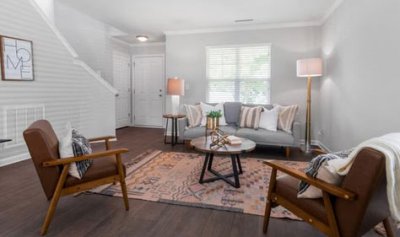
Located in the heart of the Dallas-Fort Worth Metroplex, Arlington is a steadily growing area, surrounded by AT&T Stadium and the University of Texas at Arlington (UTA). Recent market trends show a clear divergence in price movements depending on the neighborhood. Even within Arlington, the sales prices and investment characteristics can vary significantly based on the area.
First, the Viridian area in the northeast is a master-planned community by a lake, with ongoing new construction. Currently, single-family home sales prices are forming around $470,000 to $600,000, showing a gradual increase over the past 2-3 years. However, with new land supply continuing, the rate of increase has slowed compared to the past.
The North Arlington area, adjacent to Dalworthington Gardens, primarily features older single-family homes, with sales prices appearing between $420,000 and $550,000. The reputation of the school district is stable, leading to consistent demand for actual residence, and the price trend is relatively stable without sharp fluctuations. This area is often preferred by families prioritizing their children's education.
South Arlington, near the UTA campus, has relatively good accessibility, resulting in lower sales prices ranging from $260,000 to $340,000. There is steady rental demand from students and young professionals, making the vacancy risk relatively low, and from a rental yield perspective, this area is considered relatively attractive within Arlington.
Downtown Arlington has gained attention in recent years due to revitalization projects centered around the city hall and local businesses. Sales prices are between $290,000 and $380,000, and there is a perspective that it is still undervalued compared to other urban areas. Discussions are ongoing about creating a cultural district and improving public transportation access, suggesting potential for price appreciation in the medium to long term.
It is also important to consider the mortgage rate environment. Although recent rates have decreased compared to before, they are still relatively burdensome compared to pre-pandemic levels, leading many buyers to budget based on monthly repayment amounts. In this context, cities like Arlington, which have lower entry prices compared to Dallas or Fort Worth, are seen as having a lower barrier to entry for buyers.
When comparing within the same Metroplex, Arlington has lower average sales prices than Dallas or Plano, making it relatively less burdensome for families settling in Texas for the first time. However, there are significant variations in school districts and community infrastructure, so it is necessary to narrow down neighborhoods based on personal circumstances such as children's ages and commuting distances.
- Viridian: $470,000–$600,000, gradual increase with new construction
- North Arlington: $420,000–$550,000, stable trend close to flat
- South Arlington (near UTA): $260,000–$340,000, steady rental demand
- Downtown Arlington: $290,000–$380,000, gaining attention due to development prospects
From a rental yield perspective, the area near UTA appears to have a relatively advantageous structure due to lower sales prices and steady rental demand. However, it should be noted that managing vacancies during the summer break is necessary due to the characteristics of the student market. Conversely, areas like Viridian, with a high proportion of new construction, are closer to investment characteristics aiming for capital gains rather than rental yields.
It is also essential to address risk factors in a balanced manner. As new developments like Viridian continue to increase supply, the possibility of short-term price adjustments cannot be ruled out. On the other hand, if the pace of the downtown revitalization project slows compared to the plan, the anticipated price increases may also be delayed.
For Korean households, if prioritizing children's school districts, the North Arlington area may be a viable option, while the area near UTA could be considered for lowering initial investment burdens while aiming for rental income. Downtown Arlington is seen as a region worth monitoring from a long-term holding perspective. If considering an actual purchase, it is necessary to check recent closing cases and the local real estate agent's market sense together.
 LatteMorning
 OceanTrend



 garlic bread |
 Sugar Cream Door Bulletproof Noodles |
 urbanmint |
 |
| 
 Premium Gas Camp |
 August Snowman |
 US 210 Kim Sangsa |
 Mental Health Psychiatrist |
 Gupabal MissKorea |
 Texas Migration Story |
  novapixel |
  mortrix |
  ollege Mom |
  Esther 1983 |
  Arizona AZ Cowboy |
  fortbliss |
  Moscow Kim |
  My Two Way |
  toastyfox |
  FLORIDA Acus |
  tracker |
  TONTON COFFEE |
  sunrise |
  ultron78 |
  uplifted |
  Folding Instructions |
  same same life |
  USA Hyundai Kia |
  morvex37 |
  BOL SA RAM |