

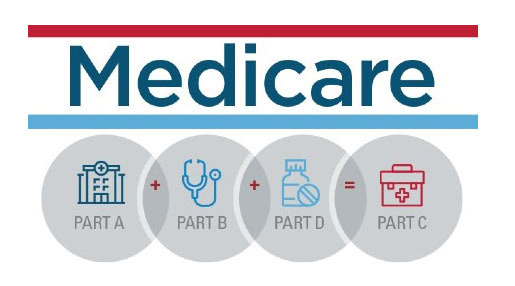
Medicare in the U.S. is a program that many people find confusing.
In short, the framework of the program is the same nationwide, but the actual benefits and ease of access can vary significantly from state to state.
Therefore, when deciding where to live after retirement in the U.S., the Medicare environment becomes a much more important criterion than one might think.
First, looking at the basic structure of Medicare, this program is a nationwide social insurance operated by the federal government. The major outlines, such as who is eligible, what parts it consists of, and what the basic benefits are, are the same anywhere in the U.S.
Medicare is divided into four parts. Part A is hospital insurance that covers inpatient care, skilled nursing facilities, hospice, and some home health care. Most people can use it without premiums if they have paid Medicare taxes for more than 10 years. Part B is medical insurance that covers doctor visits, outpatient care, tests, vaccinations, and medical equipment rentals, and requires a monthly premium. This premium is often automatically deducted from the Social Security benefits received after retirement. Part C, known as Medicare Advantage, is a product operated by private insurance companies that often replaces Parts A and B and bundles additional benefits like dental, vision, gym memberships, and prescription drugs. Part D is prescription drug insurance, which requires a separate premium to help reduce medication costs. This basic structure is the same whether in California, Texas, or New York.
The problem is that once you start using this program, the experience can vary completely from state to state. The biggest difference lies in the Medicare Advantage plans. Part C is a private insurance product, so the available plans, premiums, whether dental or vision benefits are included, and how much the out-of-pocket costs are can differ by region. For example, in Florida, there may be dozens of plans to choose from, but in less populated states, there may be only a few options. Even though it's the same Medicare, the range of choices and the level of benefits can vary greatly depending on where you live.
Another important difference is the hospital and doctor networks. Medicare Advantage plans operate their own networks. A California plan focuses on California hospitals, while a Texas plan centers around Texas hospitals. Therefore, if you move to another state, it can be difficult to maintain your existing plan, and you may have to choose a new plan in the new area. If you plan to move after retirement, this aspect must be considered.
For low-income individuals, the differences can be even greater. Many people use both Medicare and Medicaid, but Medicaid is a state program. Therefore, the level of support for out-of-pocket costs, dental and vision benefits, and the coverage for long-term care and nursing homes can vary significantly from state to state. Even with the same income and health status, the level of medical benefits can differ greatly depending on the state you live in.
Additionally, various subsidies and extra support also vary widely by state. Support for Part B premiums, prescription drug assistance programs, and low-income assistance programs can differ in accessibility based on state government policies and budgets. Thus, while Medicare appears to be a nationwide program on the surface, the actual experience is more akin to regional insurance.
As of 2026, the Medicare program itself has a fairly complex structure. Simply turning 65 does not automatically grant benefits; you must adhere to a designated initial enrollment period. If you do not enroll within the total of 7 months, which includes the 3 months before and after the month you turn 65, you will incur a lifetime premium penalty.
Moreover, Medicare does not cover 100% of all medical costs. There are still out-of-pocket costs like deductibles and copays. If you enroll in Part C or Part D, you should also check whether your frequently used hospitals and pharmacies are included in the plan's network.
In summary, while the institutional framework of Medicare is the same nationwide, the actual level of benefits and convenience varies significantly by state. Therefore, when deciding where to live after retirement in the U.S., it is essential to consider not only housing prices and taxes but also the Medicare environment in that area.
This choice can directly impact healthcare and living costs for decades to come. It is not an exaggeration to say that how well you understand and utilize the healthcare system in the U.S. will ultimately determine your quality of life in retirement.






 Tora Tora |
 neroyo |
 nivex85 |
 Old English |
 nixxon |
 Peter Pan Pet |
 Sugar Cream Door Bulletproof Noodles |
 Nuchuhan Exploration BLOG |
 Moscow Kim |
 laro90 |
  MEDBIO American Doctor Blog |
  SWAT TEAM BLK |
  DREAM BIG |
  frostbite |
  330 Forever My Love |
  El Dorado |
  dralix58 |
  Gorama Round |
  Skydiving |
  dreamport |
  Yellow Snowman |
  Toaster Pizza Magic Show |
  velvetnom |
  Anytime Journey |
  Mrs. Duluth |
  jaxter |
  Atlanta Mama |
  Baguette Blog |
  Tan Sol |