

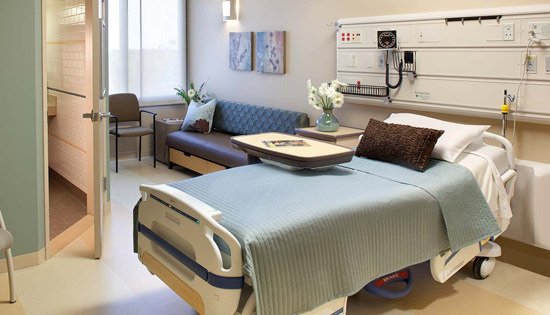
If you're sick, it costs money. This is something everyone experiences at least once while living in the U.S.
Especially in the Bay Area, the cost of living is high, but medical expenses rise even faster.
As a result, people naturally end up tied to systems like Kaiser Permanente. It's more of a practical compromise than a choice.
Kaiser's structure is simple. However, it does limit some freedoms. Insurance, hospitals, and doctors are all bundled together, which is convenient, but going outside the network can lead to exorbitant costs.
If you mistakenly visit another hospital and receive a bill for thousands of dollars, you quickly understand why people say, "Stay within the network."
The basic rule of the U.S. healthcare system is straightforward: if you don't know, you pay a lot.
Most people working in the Bay Area have limited options.
They often just pick one of the plans offered by their company, and if Kaiser is one of them, they usually go with that. The reason is simple.
Instead of a PPO structure where costs are uncertain,
Kaiser provides a clear line: "If you pay this much, you get this much care." This is a surprisingly significant advantage.
However, there is a clear trade-off. The primary care physician (PCP) system. You must go through a PCP first. Whether it's a cold, skin issue, or back pain, you have to filter through them first.
If it's not an urgent issue, it can take days or even weeks to get an appointment.
This can be stressful for impatient people. If you're used to the system in Korea where you can go directly to a specialist, it can feel frustrating.
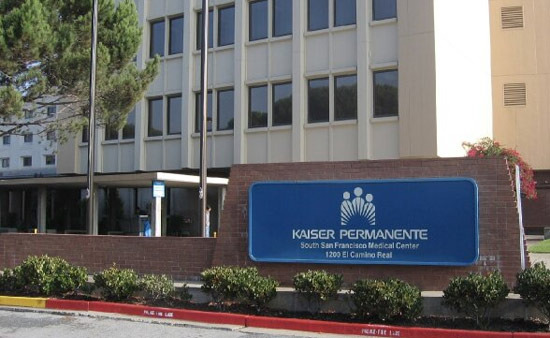
However, once you're in the system, the flow is smooth. Tests, prescriptions, and records all operate within the same system.
Redundant tests are reduced, record omissions are rare, and everything can be checked through an app. This is definitely well-designed.
Especially, having a pharmacy within the hospital is convenient. After your appointment, you can just go downstairs and pick up your medication.
Another practical aspect is preventive care. Kaiser strongly promotes this. Regular check-ups, vaccinations, and screenings are constantly reminded.
Even if you procrastinate out of annoyance, you eventually get them done. The reason is simple: if you get seriously ill, it costs more. Hospitals know this, insurance companies know this, and patients know this. Ultimately, it's about money.
For Korean Americans, it's not a bad option. There are translation services, and in some cases, you can meet doctors who speak Korean.
It's not perfect, but at least it's not to the point where you would give up on treatment due to communication issues.
Kaiser is a "convenient but limited system." It reduces the volatility and stress of U.S. medical costs.
Instead of freely shopping around for hospitals, it operates within a defined structure. And most people ultimately choose that path.
The reason is that once you experience a hefty hospital bill, you realize there aren't many other options available.
Only those who have been ill understand how important health is. In the U.S., after receiving a shocking bill from a hospital visit, perspectives change.
 PuddingBud
 silvervalleytraveler1902






 Karina's Blog |
 Jimbeam 88 |
 Taco Bell Candy Note Blog |
 Splendid Mission |
 Florida Gario |

 The Emperor Must Grow |
 DaeBak Electronics CNET |
 Nuchuhan Exploration BLOG |
 US Home Buying Information Home Insurance |
  Savion |
  pintos |
  coloradoman |
  Good Good |
  oh my salami |
  Lemonade Cider Planning Director |
  Way to easy |
  American Hardcore Band |
  Dala Dala |
  Pointy |
  Springs Korea |
  nixon |
  mini hometown |
  Gleeee |
  MacMorningBlog |
  ASURA |
  Elastico |
  shaket |
  vionoo |