
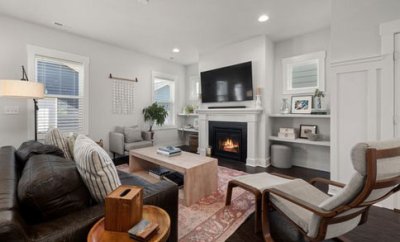
After an offer is accepted, many people are often surprised when they receive the closing cost statement. They realize too late that, in addition to the purchase price, there are separate costs for appraisal fees, title insurance, and loan origination fees. If you are preparing to buy your first home in Concord, it's best to calculate these costs first.
Closing costs typically range from 2% to 5% of the loan amount. According to Zillow data, the average home value in Concord is around $449,637, which has increased by 3.9% over the past year (as of April 30, 2026). If you take out a $300,000 loan for a property in this price range, you can expect to pay between $6,000 and $15,000 in closing costs.
There are five main items to check before signing a contract:
- Type of loan: FHA loans require a credit score of 580 or higher for a 3.5% down payment, and 10% down for scores between 500 and 579.
- Down payment size: Conventional loans allow first-time homebuyers to start with as little as 3%, but PMI applies if the down payment is less than 20%.
- Credit score ranges: As of early July 2026, rates are 6.59% for scores above 780, 6.66% for the 760s, 6.75% for the 740s, and 6.91% for the 700s.
- DTI ratio: Generally, the total debt should not exceed 43% of monthly income to be approved.
- Property taxes and insurance: New Hampshire has no state income tax, but property taxes are relatively high.
The effective property tax rate in New Hampshire is reported to be between 1.66% and 1.80%. For families moving from other states, using the property tax rates from their previous residence can lead to budget discrepancies. Some may be surprised by the property tax bill after only considering the absence of income tax, so it's advisable to double-check the tax items listed in the property listing before closing.
Pre-approval is a process where the lender reviews your income, assets, and credit to determine the loan amount you qualify for. Having your last two years of tax returns, two months of pay stubs, bank statements, and ID ready can speed up the process. Obtaining a pre-approval letter before making an offer can also make sellers view you as a serious buyer.
Between fixed-rate and ARM loans, if you plan to stay long-term in Concord, where school districts and living infrastructure are important, a fixed-rate mortgage is more stable. Conversely, if your stay is short or you may move in the future, an ARM with a lower initial rate could be worth considering. After signing the contract, a home inspection should check the roof, heating, and plumbing conditions, while the escrow company settles funds and documents between the buyer and seller.
To reduce the burden of the down payment, New Hampshire's Housing Finance Authority offers the First and First Plus program. This provides cash assistance directly for down payments of $5,000, $10,000, or up to $15,000. The Home Flex Plus program combines with FHA, VA, and USDA loans to support down payments and closing costs up to 4%, with no repayment obligation after four years. Income limits are generally set around $135,000 to $150,000 by county.
Areas preferred by Korean families in Concord should be considered alongside school district ratings. While resources like GreatSchools or Niche can be helpful, school district boundaries change frequently, so it's advisable to verify the assigned school for the specific address before purchasing. If you are approaching this as an investment, keep in mind that rental yields and rental regulations in New Hampshire can vary by county.
For FHA loans, if the down payment is less than 10%, mortgage insurance must be paid throughout the loan term, whereas PMI for conventional loans can be removed upon request once the home equity reaches 20%. In areas like Concord, where many older homes exist, it's wise to thoroughly inspect the roof, heating system, and old plumbing during the home inspection phase. During the escrow process, taxes and insurance are prorated until closing, so receiving the final statement just before closing allows you to compare estimated and actual costs for safety.
This article is not investment or legal advice, and it is recommended to consult with a lender and real estate professional before proceeding with any contracts.
 ChickSkinLab
 Stop206





 moo moo |
 ultron78 |
 garlic bread |
 Sugar Cream Door Bulletproof Noodles |
 urbanmint |
 zen zeng |
 U.S. Weather Bureau News |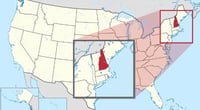
 New Kids Young |

 ovelion |
  urban legend |
  coolriver |
  Good Neighborhood, Wealthy District Information |
  Ro Ro Car |
  Amber H |
  new sugar |
  Palm 1000 |
  loran |
  donutfield |
  Tennis City |
  sunny7 |
  Questions about firearms while living in America |
  Shoot Me |
  mochifox |
  zucchini |
  Anna Life |
  Exciting FM Radio |
  pet dog |
  toodin |
  rosed |