

The information-sharing king of Billings has arrived!
Today, I'm sharing information about bugs, allergies, and endemic diseases in Billings. I'll let you know what I've found out while living here!
First, let's talk about bugs. Due to Billings' dry and semi-arid climate, it doesn't have as many bugs as tropical or southeastern regions. However, it's not completely bug-free. The most commonly encountered bug is the mosquito.
Especially around the Yellowstone River and nearby wetlands, mosquitoes are quite active during the summer months (June to August). Mosquitoes in the Billings area can be carriers of the West Nile Virus, so the Yellowstone County Health Department regularly monitors mosquito populations and runs a mosquito control program. It's recommended to use insect repellent during outdoor activities.
Ticks are another bug to be cautious of in Billings and the surrounding areas. Montana is primarily home to the Rocky Mountain Wood Tick and the American Dog Tick. These ticks can transmit diseases such as Rocky Mountain Spotted Fever. When hiking or camping in the mountainous areas or grassy fields around Billings, it's essential to wear long sleeves and long pants, and to check for ticks thoroughly after activities. Lyme Disease is relatively rare in the Billings area, but it's not completely absent.
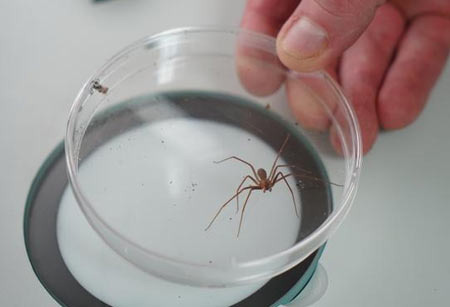
There are also bugs you might encounter indoors. Due to the dry climate, spiders are often found in homes with basements or older buildings in Billings. Most spiders are harmless, but the Brown Recluse Spider and the Black Widow Spider are venomous, so caution is advised. These two species are occasionally found in Billings. If you see a lot of spider webs in corners of your home, storage areas, or basements, it's a good idea to treat those areas with insecticide. Additionally, while cockroaches are not as common in Billings as in the southeastern regions, they can occasionally appear in warm, humid areas like kitchens.
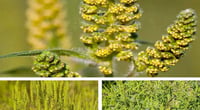
In terms of allergies, Billings can be a challenging area for those with pollen allergies. In the spring (March to May), tree pollen is prevalent, in the summer (June to July), grass pollen is common, and from late summer to fall (August to October), weed pollen, especially ragweed pollen, becomes a major issue. Billings is located in a highland area with many windy days, which can lead to particularly high pollen levels. You can check the daily pollen index for Billings on Pollen.com or the Weather Channel app.
There are also some endemic diseases and health-related precautions to be aware of. Billings is situated at an elevation of about 900 meters (3,000 feet), and newcomers may experience early symptoms of altitude sickness, such as headaches and fatigue. Those coming from lower elevations may take 1 to 2 weeks to acclimate. Additionally, Billings has a relatively high UV index. Due to its high elevation and many clear days with few clouds, it's important to pay special attention to skin protection. Using sunscreen with an SPF of 30 or higher is essential.
The Hantavirus is another disease to be cautious of in Montana. This virus can be contracted through contact with the droppings or secretions of deer mice and can cause serious lung disease. When cleaning old barns, storage areas, or buildings that haven't been used for a long time, it's crucial to wear a mask and ensure proper ventilation before cleaning. If you have a home in the suburban or rural areas around Billings, extra caution is advised. I hope this information helps you prepare for your move to Billings!
 UrbanPeak71
 moonforesttraveler2017


 Tora Tora |
 neroyo |
 nivex85 |
 Old English |
 nixxon |
 Childbirth Drabble Blog |
 tarvion |
 Tonky |
  viroma |
  cookie |
  Live and that's it |
  Alright Twain |
  eatontown blog |
  HAWAII Korean Church News |
  Amore |
  linex |
  Balancework |
  laro90 |
  MEDBIO American Doctor Blog |
  SWAT TEAM BLK |
  DREAM BIG |
  frostbite |
  330 Forever My Love |
  El Dorado |
  dralix58 |
  Gorama Round |
  Skydiving |