
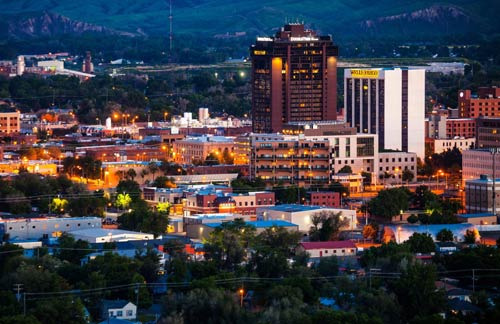
Billings, MT is the largest city in Montana with a population of about 120,000, serving as the economic center of the state.
Known as the "Magic City" of Montana, Billings rapidly grew with the establishment of railroads in the 1880s and continues to serve as a hub for a regional economy that spans Montana and surrounding states. The economy of Billings encompasses various sectors including energy, healthcare, agriculture, retail, and tourism.
The energy sector is a key pillar of Billings' economy. The city is home to numerous refining and petrochemical facilities, including those affiliated with ExxonMobil and CrownRock, which play a significant role in local employment and tax revenue. The state of Montana is rich in fossil fuel reserves such as coal, oil, and natural gas, and Billings functions as a logistical hub for the development and refining of these resources. As of 2023, the energy-related industries are estimated to account for a substantial portion of the total production in the Billings area.
The healthcare industry is also an indispensable part of Billings' economy.
Billings serves as a regional medical hub for patients coming from Montana and nearby states like Wyoming and North Dakota. Billings Clinic and St. Vincent Healthcare employ hundreds to thousands of staff, significantly impacting the local economy.
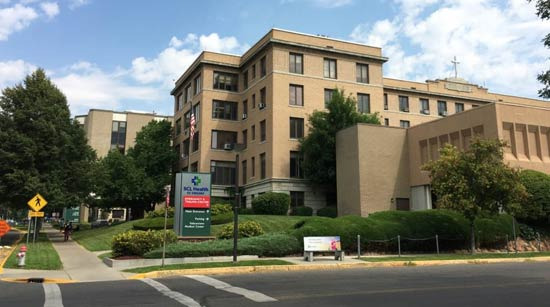
The healthcare services sector is continuously growing alongside an aging population, and it is expected to play an even more important role in Billings' future economy.
Agriculture and livestock farming are traditional industries in the areas surrounding Billings. Fertile farmland in the Yellowstone River basin produces wheat, barley, sugar beets, and corn. Additionally, the vast Montana plains are suitable for raising cattle and sheep, making Billings a hub for the collection, processing, and distribution of agricultural and livestock products. Related industries such as agricultural equipment sales, pesticide and fertilizer supply, and food processing also hold significant importance in Billings' economy.
In the retail and distribution sector, Billings is the largest shopping destination in Montana. Residents from within a 100-mile (approximately 160 kilometers) radius flock to Billings for shopping, leading to a concentration of large shopping malls, outlets, and specialty stores. The large shopping areas in downtown Billings and its outskirts are key infrastructure for the local consumer economy.
The tourism industry is also playing an increasingly important role in Billings' economy. As a gateway city to Yellowstone National Park, Billings welcomes hundreds of thousands of tourists each year. Revenues from tourism-related businesses such as hotels, restaurants, car rentals, and tour services significantly increase during the summer peak season. Recently, the popularity of the drama Yellowstone has led to an increase in tourists visiting for filming location tours.
The economy of Billings is relatively stable in that it is not reliant on a single industry but is diversified across multiple sectors. Even if there are shocks in specific areas, such as fluctuations in energy prices or agricultural failures, other industries can buffer these impacts to some extent. However, as the world transitions to renewable energy, reducing dependence on fossil fuels and discovering new growth drivers in renewable energy and technology sectors have emerged as important challenges for Billings' economy.
 Wavo
Wavo
 BubbleWarrior
 MacaronJoyfl
 6PMMyCat
 NowUSeeMe





 eatontown blog |
 Toaster Pizza Magic Show |
 US Embassy |
 fortbliss |
 Folding Instructions |
 Childbirth Drabble Blog |

 valtri |
 tarvion |
  Tonky |
  viroma |
  cookie |
  Live and that's it |
  Alright Twain |
  HAWAII Korean Church News |
  Amore |
  linex |
  Balancework |
  laro90 |
  MEDBIO American Doctor Blog |
  SWAT TEAM BLK |
  DREAM BIG |
  frostbite |
  330 Forever My Love |
  El Dorado |
  dralix58 |
  Gorama Round |
  Skydiving |