
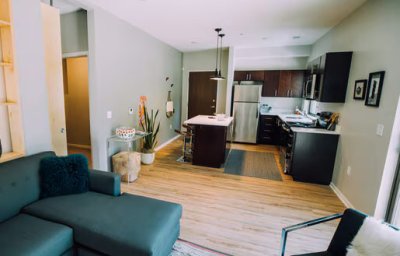
The housing prices in Grand Rapids have moved gradually over the past year. According to the Zillow Home Value Index, the typical home value is $268,540, which is a 1.7% increase compared to the previous year (as of 2026). Other reports indicate that the median sale price can reach around $330,000, depending on whether it includes desirable neighborhoods like East Grand Rapids. This means that the actual budget can vary significantly based on which area you are considering.
There are three main factors that first-time homebuyers should check in order. First is the type of loan, second is the size of the down payment, and third is the interest rate conditions based on credit score. For FHA loans, a credit score of 580 or higher requires a 3.5% down payment, while a score between 500 and 579 requires 10%. Conventional loans can start at 3% for first-time homebuyers or those with a household income at or below 80% of the area median income, but if the down payment is less than 20%, a mortgage insurance premium (PMI) will be added.
The credit score is a key variable that affects the actual loan interest rate. A score above 780 shows an average fixed rate of 6.59% for 30 years, while scores in the 760s are at 6.66%, 740s at 6.75%, and 700s at 6.91% (according to The Mortgage Reports). The average fixed rate itself is around 6.6% based on Freddie Mac's PMMS, fluctuating between 6.55% and 6.72%. It can be understood that the monthly payment increases slightly each time the score range drops.
When preparing for pre-approval, the documents to check include proof of income for the last two years, pay stubs, bank account statements, and a list of debts. Based on this, the lending institution calculates the DTI ratio, and the lower this ratio, the more favorable the approval conditions. Closing costs are typically estimated to be between 2% and 5% of the loan amount, which includes appraisal fees and title insurance premiums. After the contract, a home inspection is conducted to check the structure and condition of the facilities, and property taxes and insurance premiums are paid monthly through an escrow account.
It is also important to determine whether a fixed-rate or an ARM (Adjustable Rate Mortgage) is suitable. If you plan to stay for more than five years, a fixed rate is stable, while if your stay is shorter or if you might move in the future, an ARM with a lower initial rate can be an option.
The effective property tax rate in Michigan is around 1.15% on average, and the median property tax bill is about $2,102 annually (according to Tax by County). The MSHDA's MI 10K DPA program supports down payments up to $10,000 interest-free and with no monthly payments, which must be repaid when selling or refinancing the home. Conditions include a credit score of 640 or higher and a purchase price of $566,355 or less, along with completion of homebuyer education. Income limits vary by county, so it is necessary to check.
There are also factors to check by neighborhood. Areas like East Grand Rapids or Forest Hills tend to have higher prices due to strong school district preferences, while the southwest side of the city or Wyoming has relatively more affordable price ranges. It is efficient to decide which areas to view first based on your budget.
It is also important to note that PMI is automatically canceled when the loan balance drops to 78% of the home value. During the offer stage, earnest money should be prepared at 1% to 3% of the sale price, and negotiations can be made with the seller for repair costs or price adjustments based on the home inspection results. The interest rate can be locked in for about 30 to 60 days after pre-approval, so checking this period is also part of the process.
Areas with a high concentration of Korean families are often mentioned around East Grand Rapids or Forest Hills, but school district boundaries change frequently, so it is advisable to check the assigned school before purchasing. If moving from another state, applying the previous state's property tax or insurance standards may overlook some aspects, so it is necessary to calculate separately. This article does not constitute investment or legal advice, and consulting a professional before signing a contract is recommended.
 TofuBurgRace
 RetroCafeUSA






 moo moo |
 ultron78 |
 garlic bread |
 Sugar Cream Door Bulletproof Noodles |
 urbanmint |
 apricotla |
 carpflow |
 So is multiplied by So, So Ji-sub |

 oneonly |
  urban legend |
  coolriver |
  Good Neighborhood, Wealthy District Information |
  Ro Ro Car |
  Amber H |
  new sugar |
  Palm 1000 |
  loran |
  donutfield |
  Tennis City |
  sunny7 |
  Questions about firearms while living in America |
  Shoot Me |
  mochifox |
  zucchini |
  Anna Life |
  Exciting FM Radio |
  pet dog |
  toodin |
  rosed |