

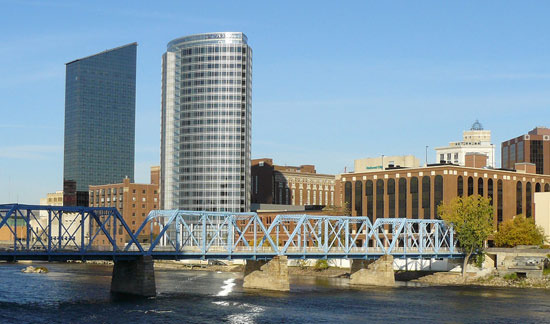
When deciding where to live after retirement in the U.S., it is important to consider climate, healthcare, cost of living, and community environment together.
Grand Rapids may not be a traditional retirement hotspot like Florida or Arizona, but it is steadily gaining attention as a Midwest retirement destination due to its healthcare infrastructure, relatively low cost of living, and stable community environment. It can be a practical choice, especially for those with children or relatives living in Michigan.
In terms of healthcare access, as previously mentioned, large healthcare systems like Corewell Health and Mercy Health are well-established, providing a sufficient environment to meet senior healthcare needs. There are also numerous geriatrics clinics, and through partnerships with Mayo Clinic, complex conditions are relatively accessible. Michigan operates state-level senior healthcare support programs in addition to federal Medicare benefits, helping to reduce medical costs for seniors over 65.
Regarding the cost of living, Grand Rapids is quite reasonable compared to major U.S. cities. As of 2025, the median price for single-family homes in Grand Rapids is around $250,000 to $300,000, which is less than half of what it is in major cities on the East or West Coast. There are also various options for senior-only apartments and 55+ active adult communities. If you venture into the surrounding counties of Grand Rapids, you can find even more affordable housing options. Michigan has a program that exempts state income tax on Social Security Income under certain conditions, making it worth considering for retirees in terms of tax burden as well.
In terms of senior community activities, Grand Rapids has a strong local community culture typical of Midwest cities. The City of Grand Rapids Senior Services operates various programs. The Senior Center offers fitness, art, music, and language classes, and also provides meal delivery services (Meals on Wheels) and transportation assistance. The Grand Rapids Public Library also runs separate programs for senior readers.
The natural environment and outdoor activities are also factors that enhance the quality of life for seniors. Grand Rapids has many parks and well-maintained walking paths along the Grand River, making it great for light walking exercises. It is a 30-40 minute drive to Lake Michigan beaches, allowing for summer beach outings. There is also ample infrastructure for outdoor activities enjoyed by seniors, such as fishing, golfing, and gardening.
The winter climate is often cited as the biggest drawback of retirement life in Grand Rapids. Due to the influence of Lake Michigan, it is a snowy area, and winter snow removal and travel can be inconvenient for older adults. Many seniors choose to live a "snowbird" lifestyle, spending winters in southern regions like Florida. Whether Grand Rapids is a place worth choosing despite the climate discomfort should be considered based on individual climate adaptability and proximity to family residences.
In summary, Grand Rapids offers a relatively friendly environment for seniors in terms of healthcare, cost of living, and community. If you can tolerate harsh winter weather, or if your children or family are in the Michigan area, Grand Rapids is a city worth considering for a reasonable retirement lifestyle. Its consistent ranking among the top Midwest retirement destinations in recent years is a result of these combined advantages.
 moonforestdreamer2021
 forest89
 HodlWins
 LatteFoxer




 MEDBIO American Doctor Blog |
 Burbank Lee |
 vibranto |
 sparkling |
 oh my salami |
 apricotla |
 carpflow |
 oneonly |
 icotla |
 So is multiplied by So, So Ji-sub |
  Where is a really nice neighborhood? |
  Real Estate |
  Forest Gump |
  Real Estate Investment Korean American |
  Dollydori, Lover of Movies |
  dmzline |
  travelo |
  American Food Information & Calories |
  Splendid Mission |
  sparklingo |
  Watch Walker |
  Soy Angelino |
  autumn |
  K-POP TV News |
  cortiva6 |
  Nevada Teppanyaki |
  aerion99 |
  Golado |
  Maximum Pro |
  Joyce blog |