

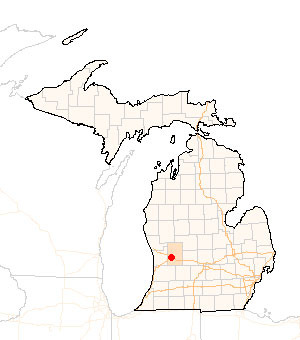
Grand Rapids and Kent County are located at the northern edge of the Tornado Belt in the Midwest, and due to the influence of the Great Lakes, the area frequently experiences heavy snowfall and snowstorms in winter. Additionally, flooding due to heavy rainfall in spring is also reported periodically. It is important to understand the natural disaster patterns in the area and familiarize yourself with basic preparedness measures before moving in.
Looking at tornado-related information, tornadoes occur throughout Michigan, but the western region where Grand Rapids is located has a relatively lower frequency of tornadoes compared to other Midwest areas due to the lake effect from the Great Lakes. According to NOAA data, Michigan experiences an average of 15 to 20 tornadoes per year, and F1 to F2 tornadoes are confirmed in Kent County every few years. Tornado season is primarily from April to June, and when the Michigan Weather Service issues a Tornado Watch or Tornado Warning, it is crucial to seek shelter immediately in a basement or an interior room. Activating notifications for the NOAA Weather app or local news app on your smartphone is a basic preparedness step.
Snowstorms and blizzards are a reality that residents of Grand Rapids face every winter. The western region of Michigan is heavily influenced by Lake Michigan, leading to significant lake-effect snow, where large amounts of snow fall in a short period. In the winter of 1997-1998, a record snowfall of over 60 inches (about 152 cm) fell in just 24 hours near Grand Rapids. The typical winter season snowfall is around 70 to 80 inches (about 175 to 200 cm), which is significantly above the national average. It is recommended to switch to all-season or winter tires during winter, and keeping an emergency kit (blankets, sandbags, jump starters, etc.) in your vehicle is a local custom.
Flooding primarily occurs during the spring thaw (March to April) and heavy rainfall periods. The Grand River has a history of flooding, and in 2013, it experienced significant flooding that caused serious damage to urban and riverside residential areas. In addition to river flooding, basement flooding is frequently reported in areas during heavy rainfall, so it is essential to check the flooding history of the basement unit when renting. You can check the flood risk area for your address in advance using FEMA's Flood Map.
Ice storms are also one of the natural disaster types to be cautious of in Michigan. When freezing rain occurs due to temperature inversion in winter, roads and sidewalks can quickly become icy, leading to a surge in traffic accidents and falls. Wearing ice cleats or waterproof boots and keeping a scraper for ice removal in your vehicle is recommended. Regularly checking the weather forecasts from the local weather service (NWS Grand Rapids) and being aware of road conditions before driving in winter is necessary.
Grand Rapids is outside the direct impact zone of hurricanes, so it does not experience hurricane damage; however, the area has a characteristic of experiencing winter snowstorms, spring tornadoes, and flooding, as well as ice storms in the fall and winter, repeatedly throughout the year. You can find local disaster preparedness guides and shelter information on the Kent County Office of Emergency Management website, and local radio stations (WJR, WGVU, etc.) provide real-time information during disasters.
 silverfoxwalker1906
 DeskiuAme
 OrangeMooner
 HandelSaid
 VelvetForest93







 moo moo |
 ultron78 |
 garlic bread |
 Sugar Cream Door Bulletproof Noodles |
 urbanmint |
 apricotla |
 carpflow |
 oneonly |
 icotla |
 So is multiplied by So, So Ji-sub |
  Where is a really nice neighborhood? |
  Real Estate |
  Forest Gump |
  Real Estate Investment Korean American |
  Dollydori, Lover of Movies |
  dmzline |
  travelo |
  American Food Information & Calories |
  Splendid Mission |
  sparklingo |
  Watch Walker |
  Soy Angelino |
  autumn |
  K-POP TV News |
  cortiva6 |
  Nevada Teppanyaki |
  aerion99 |
  Golado |
  Maximum Pro |
  Joyce blog |