

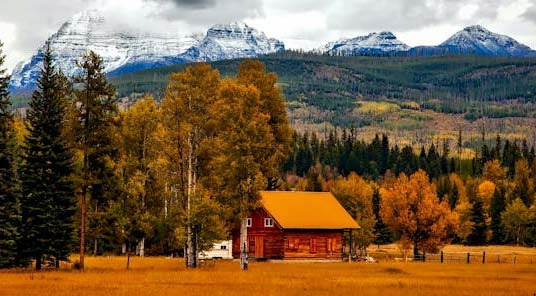
The state with the highest altitude in the USA is Colorado.
With many high mountains over 4,000m (13,000 feet), it is easy to develop altitude sickness when suddenly ascending to high altitudes above 3,000m without an acclimatization process, due to a lack of oxygen.
Altitude sickness is divided into three types: Acute Mountain Sickness (AMS), High Altitude Cerebral Edema (HACE), and High Altitude Pulmonary Edema (HAPE). In Korea, there are very few mountains high enough to experience altitude sickness.
Typically, about 20% of people experience altitude sickness when rapidly climbing to 2,000m, and 40% experience it when rapidly climbing to 3,000m.
Why is Colorado the highest state?
-
Average elevation of the state: about 2,073m (6,800 feet)
→ The highest average elevation among the 50 states in the USA -
Nickname of the capital (Denver): "Mile High City"
→ Located at an elevation of 1 mile (about 1,609m) -
Located in the heart of the Rocky Mountains
→ Many peaks over 4,000m (13,000 feet) exist -
The highest mountain in the continental USA
→ Mount Elbert, at an elevation of 4,401m (14,440 feet), is located in Colorado
Altitude Sickness Death Cases in Colorado
|
In 2020, 24-year-old Daniel Granberg died from High Altitude Pulmonary Edema (HAPE) on a mid-altitude mountain in Colorado. He was a healthy hiker, but it was pointed out that his rapid ascent without altitude acclimatization was the cause. Case near AspenIn the Aspen area of Colorado, 1 to 2 cases of HAPE are reported each month, and some may result in death. Symptoms tend to worsen especially on the 2nd or 3rd day at altitudes above 2,500m. Risks and Symptoms of Altitude Sickness Altitude sickness is divided into Acute Mountain Sickness (AMS), High Altitude Pulmonary Edema (HAPE), and High Altitude Cerebral Edema (HACE), with HAPE and HACE being potentially fatal. HAPE: Fluid accumulation in the lungs causes symptoms such as shortness of breath, cough, and cyanosis, and if untreated, the mortality rate can reach 50%. HACE: Fluid accumulation in the brain causes symptoms such as confusion, ataxia, and decreased consciousness, and if untreated, can lead to death within 24 hours. Prevention and Response Methods
There have been cases of death due to altitude sickness in the USA, so if you plan to engage in activities at high altitudes, adequate preparation and caution are necessary. |




 Khan Film Blog Production |
 dermoon |
 hoosierdaddy |
 sun walker |
 Let's Be Like a Salt-like City Person |
 Your Curiosity Resolved |
 coloradoman |

 Jean Claude Bundang Blog |
 Successful Manager Kim's Team |
  US Embassy |
  NYC saladbar |
  Finding Superfoods |
  lightyear |
  song bang |
  vexomo |
  Indiana Jones |
  meloncat |
  novapixel |
  mortrix |
  Esther 1983 |
  fortbliss |
  Moscow Kim |
  My Two Way |
  toastyfox |
  FLORIDA Acus |
  tracker |
  TONTON COFFEE |
  sunrise |
  ultron78 |