
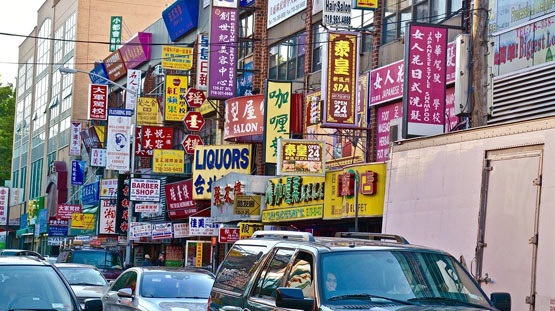
Walking down Main Street in Flushing, you'll find a plethora of Korean and Chinese signs, with Korean restaurants and markets lined up, making it hard to believe you're in America.
However, behind this convenient Korean infrastructure lies a significant cost of living. The cost of living index in Queens, where Flushing is located, is 138, which is 38% higher than the national average (100). It's a city where you have to consider both convenience and expenses simultaneously.
Housing costs are the biggest burden. The rent for a one-bedroom apartment in Flushing often ranges from $2,900 to $3,400. Due to the high demand in this Korean-populated area, rents tend to be somewhat higher than in surrounding neighborhoods. To reduce costs, looking towards adjacent areas like Kew Gardens, Jamaica, or Woodside may be a viable option. Home prices are also quite high throughout Queens, with the median price for condominiums typically exceeding $500,000.
With a concentration of Korean markets and Asian supermarkets, access to groceries is among the best in Korean-populated areas in the U.S. However, due to the high prices in New York City, grocery costs themselves are above the national average. For a family of four, a realistic estimate for monthly grocery expenses is around $800 to $1,300. Taking advantage of fresh Asian ingredients unique to Flushing and the affordable street food culture can help reduce food costs somewhat.
Transportation costs can be minimized thanks to New York City's public transit. Flushing is the terminus of the 7 subway line, allowing for a 30 to 40-minute commute to Midtown Manhattan. The LIRR (Long Island Rail Road) is also accessible nearby, providing ample public transport options. Utilizing an unlimited MetroCard or OMNY cap allows for transportation costs of around $127 per month, which helps offset some of the living expenses in Flushing.
Utilities (electricity, gas, water) are estimated to be around $200 per month. Actual costs can vary depending on whether the apartment is individually metered and whether utilities are included, so it's important to carefully check the details before signing a lease. New York City's electricity rates (Con Edison) are higher than the national average, so if usage is high, bills may exceed expectations.
Compared to nearby areas, Flushing (Queens COL 138) is similar to Brooklyn (COL 138) and somewhat higher than the Bronx (COL 130). When compared to New Jersey's Palisades Park (COL 152) or Fort Lee (COL 155), the cost of living is similar or slightly lower, but within Queens, Flushing stands out for its Korean community infrastructure.
For Korean households, Flushing offers one of the best Korean community infrastructures in the U.S., but the price of that convenience is a high cost of living. Medical, legal, and financial institutions that provide services in Korean are concentrated here, and it's an environment where you can enjoy Korean food and culture to the fullest. However, considering the burden of rent and overall prices, it would be wise to thoroughly plan your income and expenses before deciding to live in Flushing, as this approach is likely to favor long-term financial stability.
 mooncloudtraveler2015
 BlueBerry






 |
| 
 Premium Gas Camp |
 CA Real Estate |
 cheesepup |
 breezem |
 Living in the Eastern United States |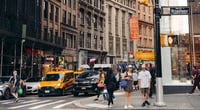
 American County Blog |
 Whisper |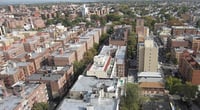
 Vasila's Newlywed Blog |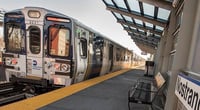
 MintO |
  The Day the Sun Rises |
  California Kangaroo |
  zanero |
  station |
  Static |
  Star Way |
  American Blog Forge |
  MMORPG Games |
  Then you must be spring |
  Spicy Immigration Life |
  zenvor16 |
  The 2000 |
  toclick |
  wexlin84 |
  Hairy Poppins |
  daisypat |
  Taco Bell Candy Note Blog |
  My Town My Way Blog |