

Burlington is known as a hub for tech and biotech companies along Route 128. However, the median home price in this city ranges from $860,000 to $960,000, which is higher than the Massachusetts average but still a step below nearby affluent areas.
Just west of Burlington, Lexington has a median sale price ranging from $1.66 million to $1.7 million. Its historical significance as the site of the first battle of the American Revolutionary War, along with a consistently high reputation for public schools in Massachusetts, seems to create steady demand.
To the south, Winchester also has a median price range of $1.5 million to $2 million, with lake views and a commuter rail line to downtown Boston being key premium factors. Its pricing is slightly lower than Lexington's.
Further west, Weston is considered one of the top areas in Massachusetts. Recently, its median price has surpassed $2 million, and depending on the survey method, it can even be reported as over $4 million, indicating a significant gap. The median household income is known to exceed $200,000.
The background for these areas becoming affluent includes the convenience of commuting to downtown Boston, excellent public school systems, and low-density zoning regulations that maintain large parcels of land. While Burlington has a strong commercial district with relatively high-density development, Lexington and Weston have maintained their identity as residential zones for a long time.
The median price gap between Burlington and Weston exceeds twofold. It is noteworthy that even within the same Route 128 living area, zoning, school districts, and parcel sizes can create such a significant difference.
Among Korean engineer families working at tech companies near Burlington, there are often cases where they initially settle in Burlington or nearby areas for commuting convenience, but later consider moving to Lexington or Winchester as their children reach school age. Balancing commuting time, school districts, and budget seems to be a realistic approach.
 SunnyField74
 WestCoastMood





 |
| 
 Premium Gas Camp |
 CA Real Estate |
 cheesepup |
 breezem |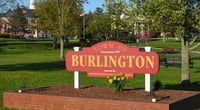
 Masa Masa |
 nougat |
 Gold Bar |
  Banana Style Life |
  Tesla X |
  Old English |
  urbanmint |
  forestcloud |
  forever young |
  Arlington house |
  liquid asset |
  Who's watching? |
  eclipse |
  quietwave |
  Hajiwon Blog Hair Salon |
  hoosierdaddy |
  saffronroute |
  korvex93 |
  Mini Mee |
  Darnignac |
  vanilla |
  selvon |