
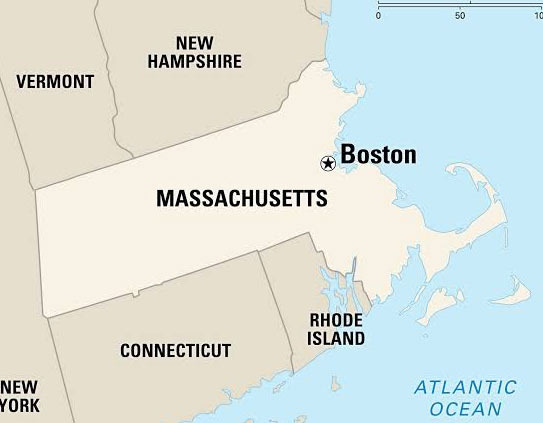
When I first moved to Boston, the most confusing thing was the neighborhood names. I thought all of Boston was the same, but when people mentioned 'South End', 'Allston', 'Dorchester', and 'Brighton', it sounded like they were talking about different cities.
It turns out that Boston has dozens of distinct neighborhoods within a single administrative city.
Officially, the city of Boston is made up of 23 official neighborhoods. These include Downtown, Back Bay, Beacon Hill, South End, South Boston, Allston, Brighton, Dorchester, Roxbury, Jamaica Plain, Roslindale, Hyde Park, West Roxbury, Mattapan, East Boston, Charlestown, and Federal Hill.
Each neighborhood has a different atmosphere, demographic makeup, and living environment, so where you live can completely change your experience in Boston.
The areas with the highest Korean populations are Allston and Brighton. Allston is close to Harvard University and Boston University, making it a popular area for students and young people, with many Korean restaurants, markets, and salons. The rent is relatively lower than the Boston average, making it a common settling place for newly immigrated Koreans.
Back Bay and Beacon Hill are the most upscale residential areas in Boston. They feature red brick townhouses built in the 19th century, and real estate prices are among the highest in Boston. Copley Square, Boston Public Garden, and the upscale shops on Newbury Street are located in this area.
South Boston (often shortened to 'Southie') is traditionally known as a neighborhood of Irish immigrants, but it is rapidly changing due to gentrification.
In terms of administrative divisions, Boston provides services directly at the city level without going through a separate county unit. It is part of Suffolk County, but the actual administration is handled directly by the city of Boston.
School districts are often assigned by neighborhood, but Boston's public school system operates a School Choice program, allowing residents to choose schools regardless of their residence. It's important to understand which neighborhoods correspond to which school districts before moving.
 foxriverbuilder1975
 SaladBase
 SodaSleepLab



 Premium Gas Camp |
 CA Real Estate |
 cheesepup |
 breezem |
 yentra |
 NO CAP LIFE |
 tiramisu |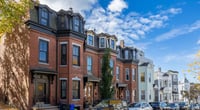
 gumdrop |
 Tart Tart |
 Investment Information News Update |
  Project Tomorrow |
  DOCTOR MED |
  Say IT Now |
  Alpha and Omega World |
  Always Dreaming of Big Success |
  NEXT ROUND |
  Helpful Life Stories |
  Healthy Local Fresh Information |
  molten |
  Way to easy |
  intact |
  happy 9 |
  Park M.Y. |
  tredon |
  Poppin News |
  metsoo |
  dewyo |
  Casa Mia |
  Asparagus Blog |
  dorange |