

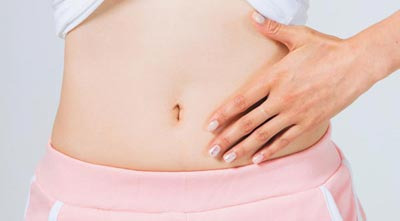
Today, I want to talk about gut beneficial bacteria, which are microorganisms that positively affect our body. Did you know that the composition of microorganisms in our body is as important as our genes? Most of these microorganisms reside in the gut (mainly the small and large intestines), playing a significant role in our health, immunity, and infection prevention.
Gut beneficial bacteria are those that have a positive effect on human health, preventing the proliferation of harmful bacteria in the gut, regulating immunity to normal levels, improving autoimmune skin diseases such as atopic dermatitis and psoriasis, suppressing hypertension (according to research), and lowering insulin resistance.
Additionally, there are research results indicating that they help with depression by participating in brain neurotransmitters. Studies have shown that they secrete a polysaccharide called 'Rhamnose,' which induces the body to secrete cytokines or chemokines in response, and domestic research has also suggested that they may prevent dementia and slow its progression.
When we think of healthy foods, we often consider breast milk, organic foods, preservative-free, antibiotic-free, fermented foods, fresh foods, slow food, anti-inflammatory foods, vegetarian, and raw foods. One reason these foods are directly beneficial to our bodies is that they positively change the composition of microorganisms in our body, ultimately helping to increase beneficial bacteria.
The benefits of having more beneficial bacteria in our body include improved immunity, reduced risk of infection, and enhanced digestive and metabolic functions. In fact, humans can survive on just water, vitamins, proteins, carbohydrates, fats, minerals, and fiber, but the world is filled with bacteria, and our bodies are also a habitat for them, so we cannot ignore bacteria.
However, this beneficial bacterial environment can be easily destroyed not only by poor eating habits but also by the use of antibiotics. Antibiotics kill bacteria indiscriminately, whether they are beneficial or harmful. A common example is antibiotic-associated colitis, where the use of broad-spectrum antibiotics can lead to a significant loss of beneficial gut bacteria, allowing harmful bacteria that excrete toxic substances to take over and cause problems.
In North America, as a method to eliminate antibiotic-resistant bacteria caused by the overuse of antibiotics, instead of developing new antibiotics, they have suggested consistently consuming probiotics. As a result, more than a quarter of Canadians take probiotics daily, showing a remarkable interest in them.
Ultimately, the key is that what we eat and how we live daily directly affects the balance of gut microorganisms. Choose healthy foods, reduce overly spicy or salty stimulating foods, and manage stress to maintain a healthy gut environment. This way, beneficial bacteria will not only thrive but you will also feel a much better state of health throughout your body.
Today, I briefly talked about the microorganisms in our body, especially gut beneficial bacteria.
How about paying more attention to gut health and changing small habits in your daily life one by one?
I hope everyone has a healthy daily life through good health knowledge!






 Tora Tora |
 neroyo |
 nivex85 |
 Old English |
 nixxon |
 victoria 68 |
 Hawaii Tourist Information |

 TEX MEX STAR |
 Vacation on Hawaii |
  Anytime Journey |
  Mrs. Duluth |
  jaxter |
  Atlanta Mama |
  Baguette Blog |
  US Embassy |
  Korean Mom |
  My NYC |
  moo moo |
  Mr Oh |
  forevergee |
  festival |
  manchester |
  constant |
  Leapfrog Move |
  vibranto |
  yellowbutter |
  Dolly |
  NYC saladbar |