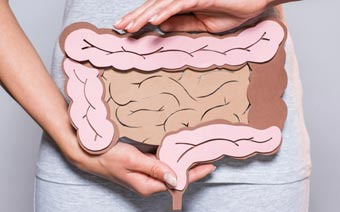
Recently, as interest in health has increased, the term 'gut bacteria' has become more common. Today, let's talk about what gut bacteria are and why they are important.
In fact, there are an enormous variety of microorganisms living in our intestines, among which both beneficial and harmful bacteria coexist.
First, gut bacteria refer to the bacteria that have a positive effect on the body. They play a role in 'blocking' harmful bacteria from taking up too much space in the gut. They help produce digestive enzymes and assist in breaking down the food we eat so that essential nutrients can be efficiently absorbed by the body.
Examples include Lactobacillus and Bifidobacterium, which are commonly found in fermented foods like yogurt and kimchi. These beneficial bacteria protect the mucous membranes and help maintain a strong immune system, ultimately playing a positive role in enhancing immunity and alleviating allergies or inflammation.
You may also know these beneficial bacteria by the term 'probiotics,' which play various roles such as enhancing immunity and improving digestive function.
Roles of Gut Bacteria
- Assisting Digestion and Absorption
Gut bacteria help produce digestive enzymes and break down foods (like fiber) that we struggle to digest. By efficiently extracting nutrients from food, energy utilization increases, right? - Enhancing Immunity
Our intestines are densely populated with immune cells, so gut health is closely related to the overall immune system. Beneficial bacteria prevent pathogenic bacteria or viruses from thriving and strengthen the intestinal mucosa, increasing our body's resilience against external invasions. - Inhibiting Harmful Bacteria
Beneficial bacteria occupy a large space in the gut, preventing harmful bacteria from excessively multiplying. When harmful bacteria become too abundant, symptoms like gas and digestive discomfort can occur, or immunity may weaken; at this time, beneficial bacteria play a crucial role in maintaining balance.
What Foods Support Beneficial Bacteria?
- Fermented Foods
Foods like kimchi, doenjang, cheonggukjang, and yogurt are rich in beneficial bacteria, including lactic acid bacteria. Not only do we directly consume good bacteria, but they also create an environment in the gut where beneficial bacteria can thrive. - Prebiotics (Dietary Fiber, etc.)
Prebiotics, such as dietary fiber, are the food that gut bacteria eat and grow. They are abundant in vegetables, fruits, and whole grains, so it's good to include them evenly in your daily diet.
Lifestyle Habits to Increase Beneficial Bacteria
- Regular Sleep Habits
If your day and night are reversed or if you lack sleep, your body's rhythm can be disrupted, easily throwing off the balance of gut bacteria. It's important to maintain a stable lifestyle pattern with sufficient sleep. - Moderate Exercise
Even light aerobic exercise or regular walking can stimulate gut movement and improve immune function. Excessive exercise can increase stress hormones, so moderation and consistency are key. - Stress Management
Stress can make gut function sensitive and may reduce the proportion of beneficial bacteria. Incorporate hobbies, meditation, and sufficient rest into your lifestyle to alleviate stress.
Ultimately, to grow gut bacteria well, it's most effective to build a diet rich in fermented foods and dietary fiber while consistently maintaining good lifestyle habits. Beneficial bacteria create a healthy gut environment and positively impact overall health.
In the future, enjoy delicious fermented foods and create an environment where beneficial bacteria can thrive through regular sleep and stress management. Each small habit will come together to gift you great health!
#probiotics
#gut health
#digestion
#immune system
#fermented foods









 neroyo |
 nivex85 |
 Old English |
 nixxon |
 LIZ Legal Information Blog |
 Helpful Life Stories |
 Hajiwon Blog Hair Salon |
 American Man in a Mask |
 Texas Migration Story |
 Make My Day |
  US Embassy |
  NYC saladbar |
  Finding Superfoods |
  lightyear |
  song bang |
  vexomo |
  Indiana Jones |
  meloncat |
  novapixel |
  mortrix |
  Esther 1983 |
  fortbliss |
  Moscow Kim |
  My Two Way |
  toastyfox |
  FLORIDA Acus |
  tracker |
  TONTON COFFEE |
  sunrise |
  ultron78 |