

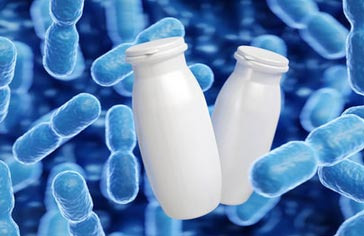
Hello! Today, I would like to introduce five foods that support gut beneficial bacteria.
In fact, it is known that about 90% of probiotics die during their journey through powerful digestive enzymes like stomach acid and bile. However, even dead probiotics (non-viable) leave beneficial substances that contribute to the gut environment, and a small number of live bacteria make it to the intestines where they can multiply.
To help probiotics arrive "alive" in the intestines, it is recommended to consume them on an empty stomach. When there is no food in the stomach, stomach acid is secreted in relatively lower amounts, increasing the chances of live bacteria passing through safely. Of course, it is fine not to be on an empty stomach, but consuming them when stomach acid is less active can be helpful.
So, how many probiotics should we consume? Looking at familiar fermented dairy products or yogurt, it is common to find over 20 billion or 50 billion bacteria in a single cup, so we often naturally consume amounts that exceed the recommended intake.
As they are important microorganisms directly related to the body's immunity and digestive health, paying attention to them in our diet can significantly improve our health.
Fermented Foods
Fermented foods like yogurt, kimchi, cheonggukjang, and doenjang are representative foods that directly supply beneficial bacteria. Thanks to the various probiotics and beneficial bacteria produced during the fermentation process, they help maintain a strong gut environment.Vegetables and Fruits Rich in Dietary Fiber
Vegetables and fruits rich in dietary fiber, such as broccoli, cabbage, asparagus, bananas, and apples, provide good food for beneficial bacteria. The dietary fiber, which is hard for our bodies to digest, is broken down by beneficial bacteria to be used as an energy source, ultimately aiding in the proliferation of beneficial bacteria.Whole Grains
Whole grains like brown rice, oats, barley, and whole wheat are rich in dietary fiber and minerals, playing a significant role in improving the gut environment. They may be digested a bit slower than white rice or flour, but this actually helps provide sufficient fiber needed by beneficial bacteria.Legumes and Nuts
Legumes like beans, lentils, and chickpeas, as well as nuts like almonds, walnuts, and sunflower seeds, contain a balanced amount of plant-based protein and dietary fiber. These nutrients create a favorable environment for the proliferation of beneficial bacteria while also increasing satiety, which helps with dietary control.Foods Rich in Oligosaccharides
Oligosaccharides (prebiotic components) found abundantly in onions, garlic, and chicory roots are essential nutrients for beneficial bacteria. By ensuring the intake of both probiotics and oligosaccharides, a much more favorable environment for gut beneficial bacteria is created.
If you mix these five food groups into your regular diet, the conditions for beneficial bacteria to thrive will be maintained. Rather than making drastic changes, you can easily take care of your gut health by using familiar ingredients a little more often. Start adding fermented foods and ingredients rich in dietary fiber to your table from today. This way, you can create a healthier gut environment.






 Tora Tora |
 neroyo |
 nivex85 |
 Old English |
 nixxon |
 Tomato Health Club blog |
 Open Flex Mind |


 Moo Tang Clan |
  laro90 |
  MEDBIO American Doctor Blog |
  SWAT TEAM BLK |
  DREAM BIG |
  frostbite |
  330 Forever My Love |
  El Dorado |
  dralix58 |
  Gorama Round |
  Skydiving |
  dreamport |
  Yellow Snowman |
  Toaster Pizza Magic Show |
  velvetnom |
  Anytime Journey |
  Mrs. Duluth |
  jaxter |
  Atlanta Mama |
  Baguette Blog |
  Tan Sol |