

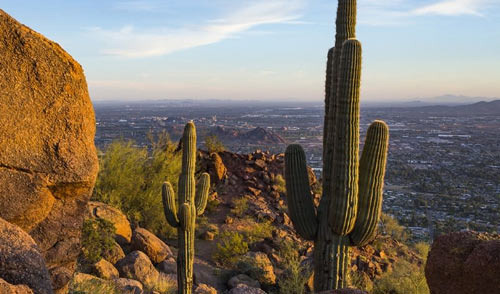
One thing that can be easily overlooked when moving to Phoenix is the unique biological threats and allergy environment of Arizona.
It may seem like there's nothing in the desert, but once you live here, you'll find there are quite a few things to be cautious about.
I wanted to inform those coming from other areas, so I've organized the information by category.
The first is the scorpion. The Arizona Bark Scorpion, the most venomous scorpion in Arizona, inhabits the entire Phoenix metro area. It is small, measuring 3 to 8 centimeters, and is translucent, making it hard to see.
They can get into your shoes, wet towels, or bed sheets, so it's important to make a habit of shaking out your shoes before going out. If stung, symptoms can include pain, numbness, and vomiting, and it is more dangerous for children and the elderly. If stung, visit a hospital immediately.
The second is Valley Fever (Coccidioidomycosis). This lung disease occurs when fungal spores native to the Arizona desert soil are inhaled by the wind. The risk increases with prolonged exposure to construction sites or dusty environments.
Symptoms are similar to those of the flu or pneumonia, so many people may not realize they have it. In severe cases, treatment may take several months. Phoenix has one of the highest rates of Valley Fever in the United States.
The third is cactus allergies and general pollen allergies. In Phoenix, there are many allergy-inducing plants, including ragweed, olive trees, and cypress, which can trigger allergies. Many people experience worsened allergy symptoms, especially during the spring and fall when pollen levels are high.
It's advisable to consult with an allergy specialist before moving and to prepare allergy medications in advance.
 BlueHarbor74
 vibeseawalker1998
 RunWhatcha







 Enjoyable American Life Diary |
 California Dreamer |
 Best Frozen Yogurt |
 Burbank Lee |
 ANSLO NEWS |
 business lim |
 Toaster Pizza Magic Show |


 My Love DS |
  Leapfrog Move |
  US Regional Information Local News |
  Finding Superfoods |
  COLO COLO |
  morixa |
  nero kim |
  USA Hyundai Kia |
  OC Real Estate Business Information |
  My Town My Way Blog |
  Splendid Mission |
  Yonori Nori |
  Unknown Dog Walk blog |
  Dingho and USA News |
  Nevada Vegas UNLV |
  Sammy Beach |
  Nanana Nanana Nanana |
  UNI Lover |
  Sunny's Travel in America |