

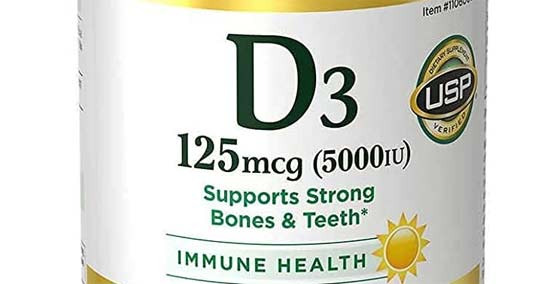
In the supplement aisle, vitamin D takes up an entire row.
1000IU, 2000IU, 5000IU... the numbers vary widely, and so do the prices.
Some people worry, "Isn't this toxic if I take too much like vitamin A?" while others think, "Aren't they all pretty much the same?" Both are wrong.
Based on my personal experience and data from adjusting dosages, I'll clarify everything in one go.
Understand D2 vs D3 FirstThere are two types of vitamin D: D2 (ergocalciferol) and D3 (cholecalciferol).
D2 is plant-derived, while D3 is animal-derived. The key point is the absorption efficiency in the body.
D3 is overwhelmingly more absorbable than D2.
When buying supplements, check if "cholecalciferol" is listed on the back. Cheap products containing D2 are just a waste of money.
Dosage Guide400IU — This is the recommended adequate intake by the Korean Ministry of Food and Drug Safety. To be honest, this is a standard set back in 1941. It's the minimum amount to avoid rickets, not the optimal amount for health.
1000IU — This is a beginner's dosage. It's a good starting point for those new to supplements. For Korean products, it costs around 10,000 won for a two-month supply. However, it takes quite a while to raise blood levels above 30ng/mL with this dosage.
2000IU — This is the dosage most commonly recommended by American doctors for adults. The sweet spot for supplementation is between 800 and 2000IU per day. The price is almost the same as 1000IU. In terms of ROI, this is the best option.
5000IU — This is for those whose blood tests show very low vitamin D levels (below 20ng/mL). Pharmacists also recommend starting with 5000IU for the first three months if deficient, then reducing to 2000IU once levels improve.
Key Numbers SummaryUpper intake level: 4000IU (100μg).
According to the NIH in the U.S., the maximum safe dosage can go up to 10,000IU. The optimal blood concentration is between 30 and 60ng/mL. Levels above 100ng/mL pose a risk of toxicity. Since it's a fat-soluble vitamin, it should be taken after meals for better absorption. This is non-negotiable.
So, I believe vitamin D deficiency is a common health issue affecting 75% of Korean men and 83% of women. There's a high chance you're also deficient.The best approach is to get a blood test and see your levels before deciding.
If that sounds like a hassle? Start with one 2000IU capsule daily. It's affordable and not a dosage that raises concerns about side effects.
No need to buy expensive products. A bottle of D3 2000IU lasts six months and costs less than $10.




 Tora Tora |
 neroyo |
 nivex85 |
 Old English |
 nixxon |
 Weekend Movie Blog |
 Beauty, Health, Lifestyle Blog |
 coloradoman |
 Superman Cat Blog |
 novapixel |
  DREAM BIG |
  frostbite |
  330 Forever My Love |
  El Dorado |
  dralix58 |
  Gorama Round |
  Skydiving |
  dreamport |
  Yellow Snowman |
  Toaster Pizza Magic Show |
  velvetnom |
  Anytime Journey |
  Mrs. Duluth |
  jaxter |
  Atlanta Mama |
  Baguette Blog |
  Tan Sol |
  US Embassy |
  Korean Mom |
  My NYC |