
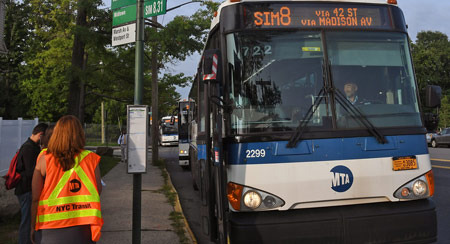
Staten Island is a borough of New York City that is divided into three main regions, each containing dozens of neighborhoods. Thanks to its unique geographical location and historical development, the neighborhoods of Staten Island each have distinct characteristics. This article will take a closer look at the key areas of the North Shore, Mid-Island, and South Shore.
The North Shore is the area along the northern coast of Staten Island, home to some of the oldest neighborhoods on the island. St. George is the center of the North Shore and the administrative hub of Staten Island. The Staten Island Ferry Terminal, Borough Hall, and the courthouse complex are all located in St. George, and in recent years, new residential developments and commercial facilities have been emerging, leading to active urban renewal. New Brighton is a historic neighborhood that has developed since the 19th century, featuring beautiful Victorian-era buildings, and the Snug Harbor Cultural Center is located in this area.
West Brighton and Port Richmond within the North Shore historically developed as industrial areas, and today, they have strong immigrant communities with diverse ethnic backgrounds. In particular, Port Richmond has a high percentage of immigrants from Mexico and Central America, leading to a concentration of authentic Latin restaurants and small shops. Neighborhoods like Slosson and Tylersville are also included in this region. Overall, the North Shore is a mix of historic preservation districts and redevelopment areas, and it is currently experiencing the effects of gentrification.
Mid-Island is the central inland area of the island, developed into suburban housing neighborhoods primarily since the 1960s and 1970s. Representative neighborhoods of Mid-Island, such as Grasmere, Great Kills, and Elm Park, are quiet residential areas centered around single-family homes. The New Springville area, where the Staten Island Mall is located, serves as the island's main shopping hub, with a concentration of large stores, restaurants, and cinemas. The Mid-Island area is characterized by a high dependence on vehicles, with wide roads and a suburban lifestyle centered around shopping malls.
The South Shore is the area along the southern coast of Staten Island, home to the most recently developed residential neighborhoods.
Tottenville is located at the southernmost point of the South Shore and is close to Perth Amboy, New Jersey, where ferry services once operated. Today, it maintains a quiet, picturesque coastal town atmosphere, with historic buildings and the nearby Historic Richmond Town. The area around Great Kills Harbor is a recreational area popular with residents who enjoy boating and fishing.
Neighborhoods in the South Shore, such as Annadale, Eltingville, Huguenot, and Rosebank, feature relatively new homes and spacious lots, providing a pleasant living environment. The South Shore was particularly hard hit by Hurricane Sandy in 2012, and significant flood recovery efforts have since been undertaken in coastal neighborhoods like Oakland Beach, Midland Beach, and Orchard Beach. This area also includes Miller Field and Fort Wadsworth, which are part of the Gateway National Recreation Area, allowing residents to enjoy both nature and history.
Looking at real estate prices in each area, the North Shore historically has a high proportion of rental apartments and low-cost housing, while Mid-Island and South Shore are primarily composed of single-family homes, generally resulting in higher prices. Overall, Staten Island offers the advantage of lower housing prices and rents compared to Manhattan or Brooklyn, but recently, prices have been gradually rising along with the New York real estate market. It is advisable to consider commuting options, school districts, and amenities when choosing a neighborhood.
The neighborhoods of Staten Island show distinct differences in terms of ethnic composition, income levels, and housing types. The North Shore has a diverse population with many residents from Hispanic, African American, and Asian backgrounds, while Mid-Island and South Shore historically have a higher proportion of white middle-class families, including Italian and Irish Americans. However, over the past few decades, the population composition has gradually diversified, with a steady increase in Asian immigrants, including Koreans. Understanding the regional distinctions of Staten Island provides a better insight into the island's diverse and complex urban characteristics.
 OceanSideSoul
 PaydayCrisis
 Stephanie




 quanta7 |
 Helpful Life Stories |
 wendra |
 moonshine 7 |
 golfmaster |
 crystalo |
  lavender |
 Vivid Information US News |
 Belgray Miscellany |
  Round and Round Children's Song Kingdom |
  Mia Flori |
  nova nova |
  healthy |
  leaves |
  sparkling |
  maryland park |
  persiste |
  conte |
  blueman |
  Going Once |
  Eldorado 88 |
  cherrydino |
  garlic bread |
  middlekick |
  Moscow Kim |
  nivex85 |
  Tomato Health Club blog |
  horse |