

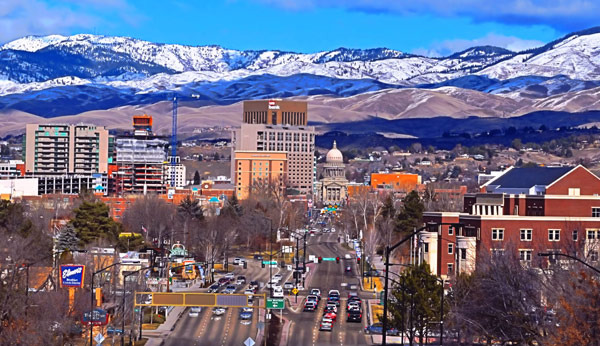
Boise was once called a 'quiet and low-cost rural town', but it has completely changed. In recent years, the explosive influx of external populations has significantly altered the city's atmosphere and real estate market. Especially after COVID-19 made remote work commonplace, many people left expensive areas like California and Washington to flock to Boise. The beautiful natural environment, good security, and low tax burden, combined with housing prices that were once half that of major western cities, have led Boise to earn the nickname 'the new Phoenix of the West'.
A significant number of migrants are middle-class whites from Silicon Valley, San Francisco, Portland, and Seattle. They are attracted to the city's cleanliness and relaxed atmosphere while still wanting the conveniences of urban living. As a result, Boise is rapidly developing, but at the same time, the balance of the housing market has been disrupted. In 2015, the average housing price in Boise was around $250,000, but by 2023, it had soared to over $500,000. It has nearly doubled in just a few years. New housing developments near downtown are selling out quickly, and rental prices continue to rise, increasing the burden on local residents.
This change in Boise is referred to as the 'California Effect'. People selling their expensive homes are buying relatively affordable Boise homes with cash, causing the entire market to overheat. Additionally, external investors are flocking in, increasing home purchases aimed at short-term profits, which has pushed genuine buyers out of the competition. This trend is particularly pronounced in popular areas like downtown, along the river, Eagle, and Meridian. Once quiet suburban areas have suddenly transformed into new housing developments, with construction vehicles constantly on the move.
However, it's not all negative. The influx of external populations has invigorated the local economy, leading to the emergence of new restaurants, cafes, shops, and art spaces, making the city much more vibrant. In the past, most businesses were small local shops, but now the city has become a place where large franchises and startup offices coexist. Boise downtown has become a place where young professionals gather, with lights never turning off at night, and the city's tax revenue has increased, allowing for rapid infrastructure improvements.
Yet, the feelings of locals remain complex. Long-time residents say, "Our city is changing too quickly." There are complaints that newcomers seeking a quiet life are taking away the city's leisure. Politically, changes have also occurred. Traditionally a stronghold of the Republican Party, Boise is increasingly seeing a rise in Democratic residents, leading to frequent clashes of opinions.
Ultimately, Boise is a city currently experiencing 'growing pains'. The economy has grown due to the influx of external populations, but social conflicts and housing burdens have also increased. However, many people are embracing these changes positively. As one person said, "Boise is no longer a hidden city. It has become a place of opportunity and diversity."
Over time, this city will find a new balance. A city where nature and development, tradition and change coexist, that may be the direction Boise is heading towards in the future.




 moo moo |
 ultron78 |
 garlic bread |
 Sugar Cream Door Bulletproof Noodles |
 urbanmint |
 A landlocked state |
 Korean Boo |
 208 Master |
 US Regional Information Blog |
 Idaho's Sumi's House |
  DREAM BIG |
  frostbite |
  330 Forever My Love |
  El Dorado |
  dralix58 |
  Gorama Round |
  Skydiving |
  dreamport |
  Yellow Snowman |
  Toaster Pizza Magic Show |
  velvetnom |
  Anytime Journey |
  Mrs. Duluth |
  jaxter |
  Atlanta Mama |
  Baguette Blog |
  Tan Sol |
  US Embassy |
  Korean Mom |
  My NYC |