

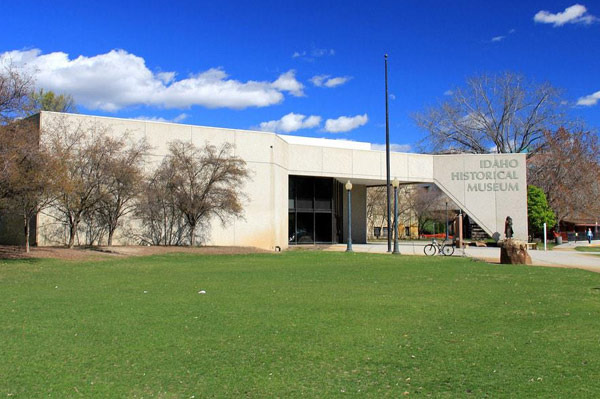
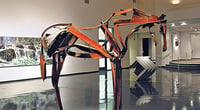
Just a few minutes from downtown Boise is the 'Idaho State Historical Museum.' This place offers a glimpse into Idaho's long history and culture, with a modern design that catches the eye as you enter. The building's exterior, a combination of glass and wood, is sleek, blending tradition and modernity, and upon entering the lobby, large photographs showcasing Idaho's natural landscapes greet visitors. From that moment, you realize that this is not just a place for old artifacts, but a space that tells 'the story of Idaho.'
The first exhibition hall focuses on the lives of Idaho's Native Americans. Various traditional costumes, pottery, hunting tools, and ceremonial ornaments are on display, with particularly impressive garments featuring patterns etched into real deer hide and hand-woven baskets. Inside the exhibition hall, there is a corner showing videos of the tribes' lives, naturally conveying that Idaho's land has been a foundation of culture for thousands of years, not just a backdrop for settlement.
Moving to the next area, the story of the 19th-century westward expansion unfolds. Full-sized displays of wooden wagons, shovels, pickaxes, and handcarts vividly illustrate how people crossed uncharted territories to settle here. The exhibition recreating the journey of pioneers traveling along the 'Oregon Trail' immerses you as if you have stepped into a movie set. You can feel the courage of those who sought a new life, holding onto hope despite the harsh conditions of the time.
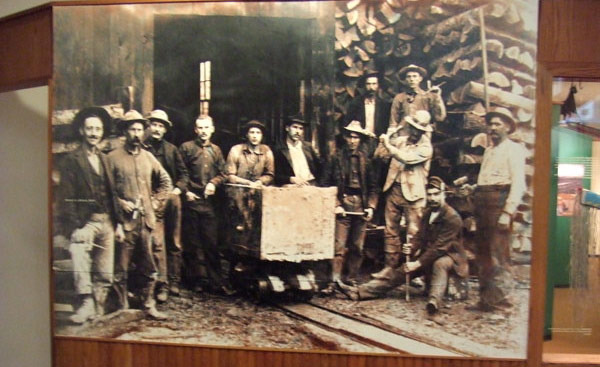
In the section dealing with industrial development, you can see in detail how Idaho's gold mining and railroad expansion transformed the city. The actual mining tools, early telegraph equipment, and exhibits recreating Boise's streets in the early 1900s are fascinating. There is even a space where children can joyfully participate by pressing a telegraph key to experience the communication methods of that time.
One side of the exhibition hall features a section showcasing the daily lives of Idahoans in the 20th century. The space, restored with old TVs, kitchen furniture, school textbooks, and a recreation of Boise's streets from the 1950s, is impressive. Walking down that street with its old signs and neon lights, you can almost hear the laughter of people from that era.
What left the most lasting impression was the interactive corner called 'Voices of Idaho.' Speakers installed on the walls play the actual voices of Idaho residents, with short recordings of their life stories and memories of their hometowns. Hearing the voice of an elderly couple saying, "We grew up on this land, and we raised our children here," made me realize once again that Idaho is not just a place name but a space where the lives of many people have intertwined.
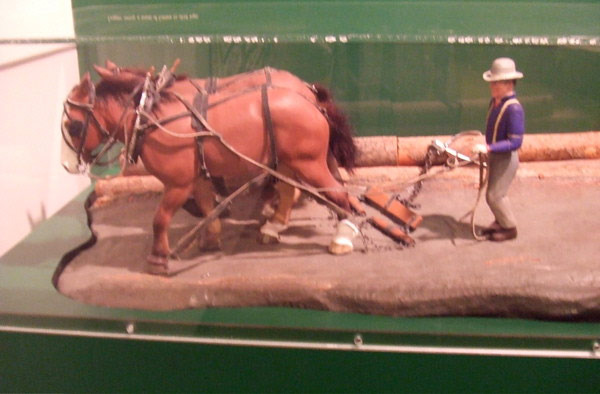
Stepping outside, a small walking path leads behind the museum, where a restored log cabin used by Idaho's early settlers stands at the end of the path. Each piece of worn furniture and the fireplace, along with the old chair, tells the story of that time.
As I finished viewing the exhibits, I suddenly felt that this place is not just a 'showcase of the past' but a 'place that makes you understand.' It may not be flashy, but it feels sincere, and there is something that connects us to the present amidst the long history.
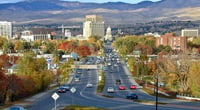
Perhaps that's why, as I looked up at the sky of Boise while leaving the museum, I felt the weight of the time that has accumulated to create the city we have today more deeply.




 A landlocked state |
 Korean Boo |
 208 Master |
 US Regional Information Blog |
 Idaho's Sumi's House |
  dralix58 |
  Gorama Round |
  Skydiving |
  dreamport |
  Yellow Snowman |
  Toaster Pizza Magic Show |
  velvetnom |
  Anytime Journey |
  Mrs. Duluth |
  jaxter |
  Atlanta Mama |
  Baguette Blog |
  US Embassy |
  Korean Mom |
  My NYC |
  moo moo |
  Mr Oh |
  forevergee |
  festival |
  manchester |