
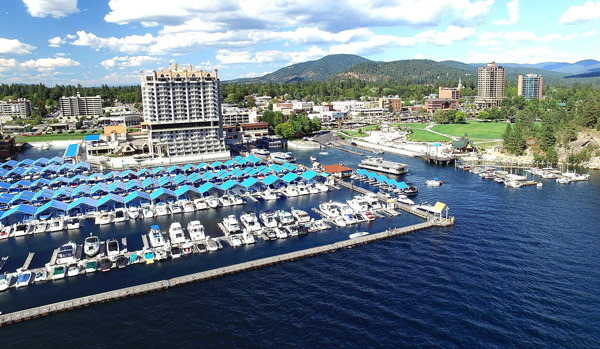
When looking for a good place to live after retirement, many people think of warm weather, low cost of living, and a quiet environment. By those standards, Idaho emerges as an unexpected candidate. Once known only as the "Potato State," it is now steadily attracting retirees for its natural environment and quality of life. However, whether Idaho is truly a good place to retire or if it has more inconveniences than expected is a matter of clear pros and cons.
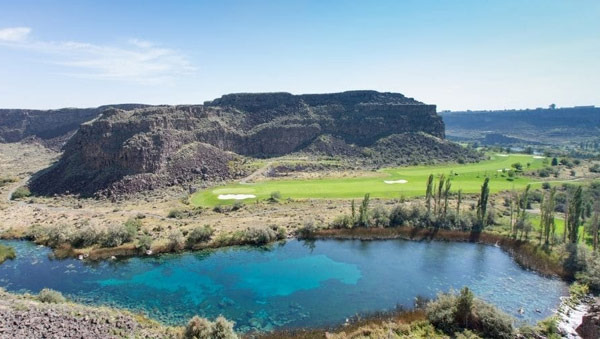
First, to talk about the advantages, Idaho's natural environment is truly outstanding. Located west of the Rocky Mountains, the scenery of mountains, lakes, and forests is literally 'nature from a postcard.' Cities like Boise and Coeur d'Alene have well-developed parks, trails, and bike paths, making them perfect for enjoying a leisurely life after retirement. For those who love outdoor activities like fishing, hiking, golfing, and kayaking, there are few places as good as Idaho. Moreover, the air quality is good, the water is clean, and at night, you can see a sky full of stars due to the clear air.
In terms of cost of living, Idaho is relatively lower than the national average. Although housing prices have risen significantly in recent years, they are still much cheaper compared to coastal cities like California, Washington, and Oregon. Property taxes are also low, and especially for retirees, there are tax benefits such as the 'Homeowner's Exemption' and partial tax exemptions on pension income. Additionally, traffic is not congested, reducing driving stress, and access to healthcare is not bad in major cities.
Boise is particularly popular among retirees. It is often cited as a 'great mid-sized city' with stable public safety and a warm community atmosphere. Local residents are friendly, and there is a culture of natural greetings between neighbors. The weather is also not extreme. Winters are cold but not very snowy, and summers are hot but with low humidity, making it comfortable. Because of these factors, it is rated as a place where "the balance between city and countryside is well maintained."
However, there are clear disadvantages as well. The biggest issue is that the medical infrastructure is not as abundant as in large cities. In larger cities like Boise or Twin Falls, or Idaho Falls, it is easy to find large hospitals, but as you move to smaller towns or rural areas, there is a shortage of specialized medical personnel and emergency services tend to be slow. This is a very important consideration for retirees with chronic illnesses or those needing regular treatment.
Additionally, in recent years, the rapid influx of outside populations has led to significant increases in real estate prices and rents. Homes that used to be available for around $200,000 are now often exceeding $400,000 to $500,000, and rents are steadily rising. Due to these changes, some local retirees feel the burden of living costs and move to smaller towns.
The political and cultural atmosphere also has its pros and cons. Idaho is traditionally a conservative state with a strong Republican inclination. Gun ownership is free, religious values are strong, and there is often a conservative attitude towards social change. Those who appreciate this atmosphere may feel comfortable, but it can feel somewhat stifling for those who prefer diversity and an open culture. There is also a subtle tension between progressive individuals who have recently moved from California or Oregon and the existing conservative residents.
The climate also has its likes and dislikes depending on the person. Summers are dry and sunny, while winters are cold and not long, but there are often windy days. Some people appreciate the lack of heavy snowfall, while others may find the lack of distinct seasons somewhat monotonous.
Nevertheless, the reason Idaho continues to attract retirees is due to its sense of 'balance.' The convenience of the city and the leisure of the countryside, low taxes, reasonable prices, and a quiet yet safe environment create that balance. Recently, retirement community complexes and upscale resort-style townhouses have been emerging around Boise and Coeur d'Alene, providing new options for generations that value quality of life.
In conclusion, Idaho is an excellent retirement destination for those who want to live quietly and leisurely in nature. However, it may feel somewhat stifling for those who desire "cultural diversity, rich medical infrastructure, and urban conveniences."
Ultimately, the evaluation will vary depending on what kind of life one desires. If you dream of nature, peace, and a simple life, Idaho is undoubtedly a great place to stay after retirement. However, if you do not want to miss out on urban conveniences and an exciting lifestyle, it might be better to consider Arizona or southern Nevada a bit further south.







 A landlocked state |
 Korean Boo |
 208 Master |
 festival |
 US Regional Information Blog |
  Tonky |
  viroma |
  cookie |
  Live and that's it |
  Alright Twain |
  eatontown blog |
  HAWAII Korean Church News |
  Amore |
  linex |
  Balancework |
  laro90 |
  MEDBIO American Doctor Blog |
  SWAT TEAM BLK |
  DREAM BIG |
  frostbite |
  330 Forever My Love |
  El Dorado |
  dralix58 |
  Gorama Round |
  Skydiving |