
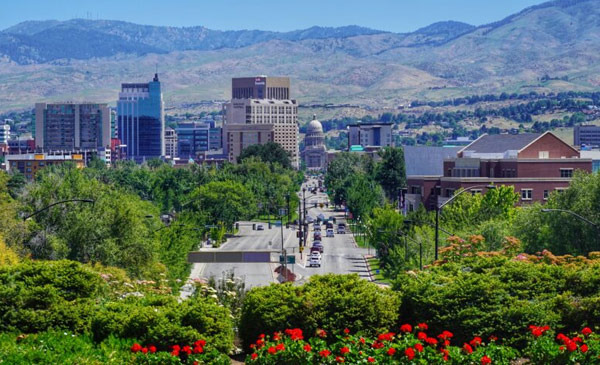
Idaho's summer in the northern areas like Coeur d'Alene or Sandpoint boasts cool summers with lakes and forests, while the southern regions like Boise or Twin Falls experience dry land under intense sunlight. Due to the significant climate variations within the same state, it is difficult to simply describe Idaho's summer as 'hot' or 'cool.'
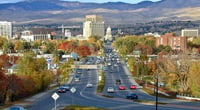
In Boise, the average temperature in July is about 23 degrees Celsius, rising to 32 degrees during the day but dropping to around 15 degrees at night. The low humidity makes the heat bearable, and stepping into the shade brings immediate relief. This is the most notable feature of Idaho summers. It's not the sweaty heat, but rather the strong sunlight combined with dry air that creates a refreshing feeling.
As a result, locals enjoy long walks, cycling, and hiking even in summer. Water sports are in full swing near rivers and lakes, with tube floating along the Boise River being a popular summer leisure activity. The experience of floating down the river while gazing at the city is truly relaxing and peaceful.
In contrast, the northern regions have a completely different atmosphere. Places like Coeur d'Alene or Priest Lake are lush with forests, and many days are cool enough that air conditioning is unnecessary even in summer. The lake's surface sparkles in the sunlight, and family travelers gather around campfires at campsites to enjoy dinner. At night, temperatures drop below 10 degrees, making it cool enough to need a blanket. This is why Idaho's summer possesses a beauty that is 'not extreme.'
Of course, the southern regions experience high daytime temperatures. Areas like Twin Falls or Mountain Home often see days exceeding 35 degrees, but the lack of humidity makes it completely different from the sweltering heat of Texas or Florida. Just finding shade is enough to endure the heat, and by evening, the air cools down quickly. Additionally, the clear skies provide ample sunlight, making it excellent for growing summer crops and fruits. Idaho potatoes, cherries, blueberries, and corn thrive during this time.
Rain is scarce in summer. The average annual precipitation is only about 300mm, most of which falls in winter and spring, with only a day or two of rain in summer. Instead, the intense sunlight during the day makes it essential to apply sunscreen thoroughly. This dry weather is pleasant for travelers but keeps local farmers on edge. Therefore, irrigation facilities are well developed throughout Idaho, allowing green fields to flourish even in desert-like areas.
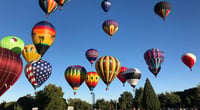
During this time, Boise hosts numerous summer festivals and outdoor events. Downtown streets come alive with music festivals and farmers' markets, while families enjoy picnics in the parks. The annual 'Spirit of Boise Balloon Festival' showcases dozens of hot air balloons painting the morning sky, and the 'Idaho Shakespeare Festival' fills summer nights with romance on the riverside outdoor stage. Thanks to this atmosphere, Idaho's summer feels like a time of celebration where people and nature harmoniously come together, rather than just a hot season.
However, the significant temperature difference between day and night can often surprise novice travelers. A short-sleeved shirt is sufficient during the day, but a light jacket is essential at night. Especially if planning to camp in mountainous areas, warmth should be considered, and mosquito repellent is a must near rivers or lakes due to the abundance of mosquitoes.
In conclusion, Idaho's summer is a season that is 'hot yet pleasant, quiet yet vibrant.' It is a paradise for those who want to enjoy leisure in nature, but it may feel a bit dull for those who prefer humid and vibrant summers. However, the clean air, sparkling lakes, and sunsets that turn red every evening make it hard to forget this place.



 A landlocked state |
 Korean Boo |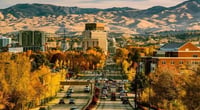
 US Regional Information Blog |
 Idaho's Sumi's House |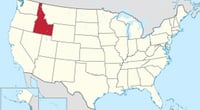
 Korean Mom |
  My NYC |
  moo moo |
  Mr Oh |
  forevergee |
  festival |
  manchester |
  constant |
  Leapfrog Move |
  vibranto |
  Tora Tora |
  yellowbutter |
  Dolly |
  US Embassy |
  NYC saladbar |
  Finding Superfoods |
  lightyear |
  song bang |
  vexomo |
  Indiana Jones |