

When talking about Boston weather, there's a saying that always comes up: 'If you don't like the weather in Boston, just wait a minute; it will change.'
This reflects how frequent and unpredictable the weather changes are in this city.
Boston is a city with very distinct four seasons. Even though it's in the same country, you might be surprised if you expect similar weather year-round like in California or Texas. In spring, flowers bloom, summer brings humid heat, fall showcases world-famous foliage, and winter features the unique snow and bitter cold of New England. Therefore, preparing for seasonal living is crucial in Boston.
Spring starts in March, but it differs a bit from what you might think of as spring in Korea. The calendar says spring, but many days still feel like winter. It's not uncommon to see snow in March, and the morning temperatures can drop below freezing, only to rise to around 15°C in the afternoon, leading to significant temperature swings throughout the day. As a result, many people prepare both thick winter coats and light jackets.
By April, the true spring scenery of Boston begins to emerge. Tulips and cherry blossoms bloom in the Boston Public Garden, and the number of people enjoying walks around the Charles River increases significantly. Especially on Patriots' Day, the third Monday in April, the world-renowned Boston Marathon takes place. This time is often considered the quintessential spring scene in Boston, transforming the entire city into a festive atmosphere.
Summer can be hotter and more humid than expected. The average high temperature ranges from 27 to 32°C, but during heat waves, it can exceed 35°C. The high humidity makes it feel much hotter than the actual temperature. In July and August, it's challenging to live in homes without air conditioning, so it's important to check if a house has good cooling systems.
In summer, sudden showers or thunderstorms often occur in the afternoons. Fortunately, they usually don't last long, but many people carry an umbrella just in case. On weekends, it's common to see people kayaking and paddleboarding on the Charles River or heading out to Boston Harbor and nearby beaches. Although Boston, being a coastal city, doesn't often experience direct impacts from hurricanes, there are years when heavy rain and strong winds occur due to the indirect effects of hurricanes coming up from the south.
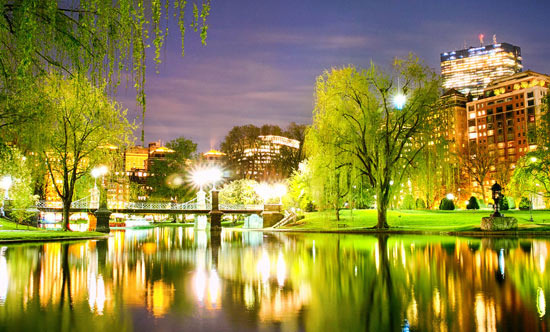
Fall is the favorite season for most Boston residents. By September, the humidity drops significantly, and the cool air can be felt in the mornings and evenings. Pleasant weather around 20°C during the day makes it the best time for walks and outdoor activities.
Above all, New England's foliage is world-famous. Starting from late September, the leaves gradually change color, often peaking around mid-October. A short drive of 1-2 hours from Boston leads to vibrant forests and lakes, making it a popular weekend destination for foliage drives. The foliage routes extending to New Hampshire, Vermont, and western Massachusetts are among the top fall travel destinations in the U.S.
Winter is the season that requires the most adjustment for living in Boston. The real cold begins in December, with January and February being the coldest months. Many days see average temperatures dropping below freezing, and the wind chill makes it feel even colder.
What represents Boston winter is the Nor'easter. This strong low-pressure storm from the northeast can drop several centimeters of snow in just one day. The eastern Massachusetts region often records an average snowfall of about 120-140 cm per year, making it one of the cities with significant snowfall, although there can be yearly variations.
Fortunately, the snow removal system is very well established. Major roads are cleared relatively quickly, but on days with heavy snowfall, many schools close, and companies may allow remote work. If you're driving, it's advisable to prepare winter tires, ice scrapers, snow shovels, blankets, and flashlights in your vehicle.
Winter heating costs can also be quite burdensome. In Boston, where many old buildings exist, heating costs can vary significantly depending on insulation, so it's essential to check whether heating costs are included when signing a lease.
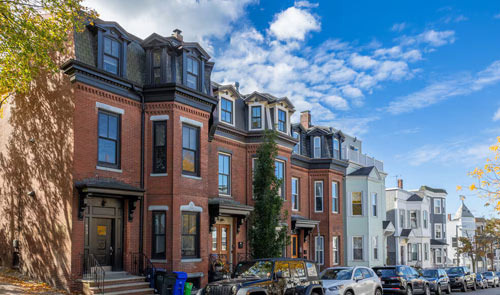
Of course, it's not just about the cold. The sight of Boston's red brick buildings against the white snow after a snowfall looks like a scene from a movie. With the Christmas season lights and winter festivals, you can fully appreciate New England's charm even in the harsh cold.
Boston's four seasons certainly bring significant changes and require adjustments, but they also offer entirely different landscapes and atmospheres throughout the year. This change is one of the reasons many people remember Boston as a special city.
 forest89
 goldenroadtraveler1917


 TEXAS Fishing Boat |
 Study Abroad Life Know-How Tips |
 pravix22 |
 American Hardcore Band |
 Rice Shop Uncle BLOG |
 NO CAP LIFE |
 tiramisu |
 Tart Tart |
 Investment Information News Update |
 Healthy Local Fresh Information |
  molten |
  Way to easy |
  intact |
  Always Dreaming of Big Success |
  happy 9 |
  Park M.Y. |
  tredon |
  Poppin News |
  metsoo |
  dewyo |
  Casa Mia |
  Asparagus Blog |
  dorange |
  hiddenkong |
  some fame |
  Godory Life |
  Lime Juice |
  French fries |
  Rynex |